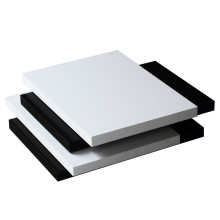
PVC Foam Board for RV Interiors: Applications, Surface Options and Material Selection
Recreational vehicles (RVs) require interior materials that balance appearance, weight, functionality and ease of fabrication. From wall panels and ceiling panels to cabinets and storage compartments, different interior components require materials that can be adapted to various designs and installation methods.
PVC Foam Board is one option for RV interior applications. Its lightweight cellular structure, moisture resistance and fabrication versatility make it suitable for a range of non-structural interior components. With different thicknesses, densities and decorative surface finishes available, it can be adapted to different RV interior designs and manufacturing requirements.
In this article, we explore where PVC Foam Board can be used in RV interiors, the available surface options, and the key factors manufacturers and buyers should consider when selecting the right material.
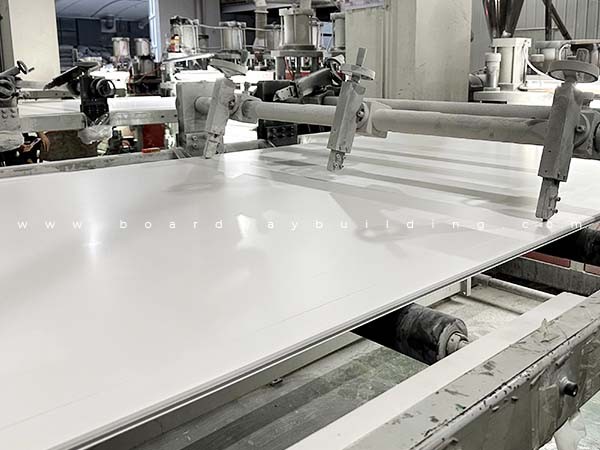
PVC Foam Board Production
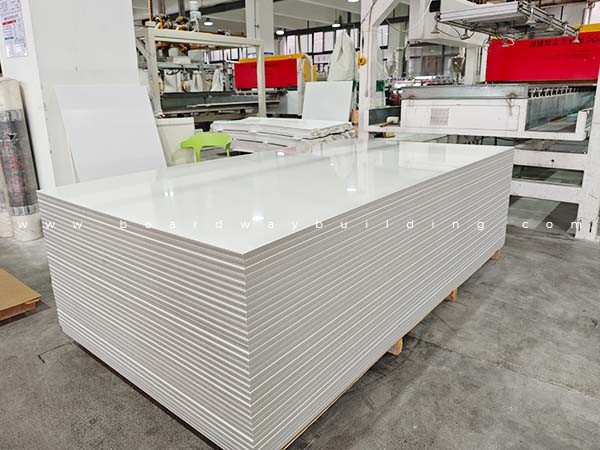
PVC Co-extruded Foam Board
1. Where Can PVC Foam Board Be Used in RV Interiors?
PVC Foam Board can be fabricated into various panels and components for recreational vehicle interiors. Its applications depend on the required dimensions, thickness, density, surface finish and installation method.
1.1 RV Interior Wall Panels
Interior wall panels help create the overall appearance and atmosphere of an RV living space. PVC Foam Board can be used as a substrate for decorative wall panels in selected interior areas.
Manufacturers can choose different board thicknesses and surface finishes according to the panel design. Laminated PVC Foam Board, for example, offers decorative options such as wood grain and solid colors, helping manufacturers achieve a consistent interior appearance.
For wall panel applications, buyers should consider panel dimensions, installation support, fastening methods and the weight requirements of the overall structure.
1.2 RV Ceiling Panels
Ceiling panels are another potential application for PVC Foam Board in RV interiors.
The material can be cut into customized panel sizes to suit different ceiling layouts. Its weight, thickness and dimensions should be considered together with the ceiling support structure and installation method.
For larger ceiling panels, manufacturers should evaluate the required panel rigidity and support spacing rather than selecting a board based on thickness alone.
1.3 RV Cabinet and Furniture Panels
Cabinets and furniture are essential parts of RV interior layouts. They provide storage and help organize limited living space.
PVC Foam Board can be fabricated into selected furniture components, including:
Cabinet side panels Cabinet doors Shelving panels Wardrobe panels Furniture partitions Decorative furniture panels
Different furniture components may require different board specifications. For example, cabinet doors and decorative panels may place greater emphasis on surface appearance, while shelves and partitions require consideration of dimensions, support and expected loads.
Laminated PVC Foam Board is also an option for manufacturers seeking decorative finishes without relying entirely on additional surface-finishing processes.
1.4 RV Storage Compartments and Interior Components
RVs often include customized storage spaces designed to make efficient use of limited interior space.
PVC Foam Board can be processed into selected storage compartment panels, dividers, covers and other non-structural interior components.
Manufacturers can customize the panel dimensions and processing details according to their product designs. Before production, the board specification should be evaluated against the actual installation structure and intended use.

PVC Foam Board for Bookshelf

PVC Foam Board Cabinet
2. Surface Options for RV Interior PVC Foam Board
The surface finish plays an important role in RV interior design. It affects the visual appearance of wall panels, cabinets and furniture components.
PVC Foam Board can be supplied in different surface conditions and decorative finishes to meet different manufacturing requirements.
2.1 Plain PVC Foam Board
Plain PVC Foam Board is suitable for manufacturers who need a board substrate for further processing or finishing.
Depending on the production specification, buyers can discuss different colors, thicknesses and densities. The board can also be used in projects where the surface will receive additional finishing treatments.
2.2 Wood Grain Laminated Surface
Wood grain finishes are commonly used in interior designs that aim to create a warm and natural appearance.
Wood grain Laminated PVC Foam Board can be considered for RV cabinet doors, furniture panels, wall panels and other decorative components.
Different wood grain patterns can help manufacturers coordinate the appearance of multiple interior parts. The selected finish should be confirmed against the overall design and the intended application.
2.3 Solid Color Laminated Surface
Solid color finishes are suitable for modern and minimalist RV interior designs.
They can be used for cabinet panels, furniture components and decorative wall panels. Manufacturers can select colors according to their interior design requirements and discuss customized surface options for specific projects.
2.4 Leather Grain and Marble-Look Surfaces
For RV manufacturers looking for alternative decorative effects, leather grain and marble-look finishes provide additional design possibilities.
Leather grain surfaces offer a textured appearance, while marble-look finishes can be used in selected decorative areas.
The suitability of each finish depends on the intended application, design preferences and processing requirements. Buyers should review actual surface samples before confirming bulk orders.
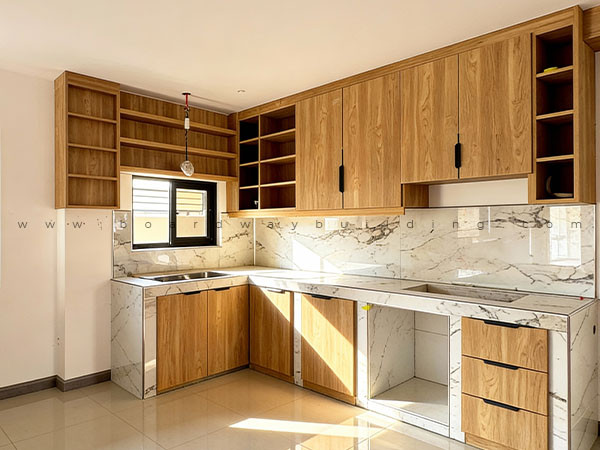
PVC Foam Board for Cabinet Doors
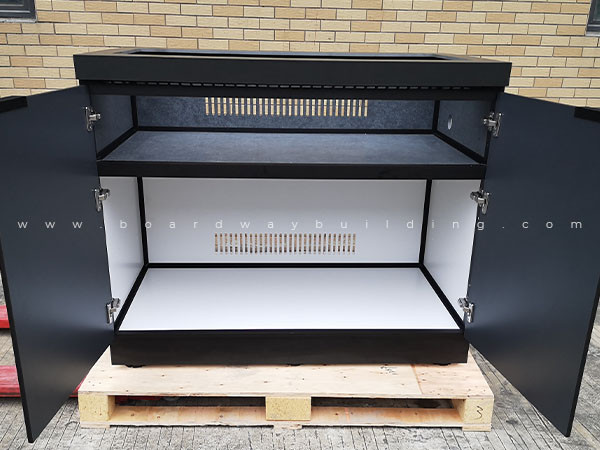
PVC Foam Board for Side Panels
3. How to Select the Right PVC Foam Board for RV Interiors
Selecting PVC Foam Board for RV interiors involves more than choosing a board with a particular thickness or appearance. Manufacturers should consider the intended application, panel dimensions, installation structure and overall project requirements.
3.1 Choose the Appropriate Thickness
Different RV interior components may require different board thicknesses.
For example, wall panels, ceiling panels, cabinet doors and furniture partitions have different dimensions and installation conditions. A specification suitable for one component may not be appropriate for another.
When selecting thickness, consider:
The dimensions of each panel The support structure and fixing points The expected use of the finished component The required rigidity of the panel The overall weight target
For customized RV projects, it is advisable to confirm the board thickness through sample evaluation or prototype fabrication before starting mass production.
3.2 Consider Board Density and Weight
Vehicle manufacturers often pay close attention to the weight of interior materials. PVC Foam Board is available in different density options, allowing buyers to evaluate specifications according to their project requirements.
Density affects the weight of a board at a given thickness and size. However, density alone does not determine the board's rigidity, screw-holding performance or load-bearing capacity. These properties are also influenced by the board structure, formulation, thickness and manufacturing quality.
When comparing different specifications, buyers should evaluate both the board weight and its performance in the intended application.
3.3 Select the Right Surface Finish
The surface finish should match the design and functional requirements of each interior component.
Consider the following points:
For projects involving multiple interior components, selecting coordinated finishes can help maintain a consistent appearance throughout the RV.
3.4 Check Fabrication and Installation Requirements
Before ordering PVC Foam Board, manufacturers should confirm the processing and installation requirements of the finished components.
Depending on the product design, fabrication may include:
Edge banding is particularly relevant for furniture components such as cabinet doors, shelves and exposed panel edges. Matching edge band colors and finishes can help create a more consistent appearance between the board surface and its edges.
Installation requirements also need attention. Buyers should check the compatibility of the board with the intended support structure, mechanical fasteners and adhesives. Adhesive selection and fixing methods should be evaluated through practical testing under the actual application conditions.
For customized RV interior projects, confirming the drawings, processing details and installation method before mass production can help reduce fabrication and assembly issues.
4. PVC Foam Board vs. Traditional Materials for RV Interiors
PVC Foam Board is one of several materials that manufacturers may consider for RV interior components. MDF and plywood are also used in furniture and interior panel manufacturing.
Each material has different characteristics, and the most suitable choice depends on the specific component and project requirements.
| Comparison | PVC Foam Board | MDF | Plywood |
| Material structure | Cellular PVC structure | Wood fibers bonded with resin | Multiple layers of wood veneer |
| Weight | Depends on density and thickness | Depends on grade and thickness | Depends on wood species and construction |
Moisture behavior | PVC material is not water-absorbing | Can be affected by moisture exposure | Depends on plywood type, adhesive and treatment |
| Fabrication | Can be cut, drilled and CNC machined | Can be cut, drilled and CNC machined | Can be cut, drilled and CNC machined |
Surface options | Available with decorative laminated finishes | Often requires additional surface finishing | Often requires additional surface finishing |
PVC Foam Board may be considered when manufacturers need a lightweight cellular PVC panel with different decorative surface options. MDF and plywood may be more suitable for other applications depending on structural requirements, design preferences and manufacturing processes.
The comparison should always be based on the actual material grade and finished component specifications rather than general assumptions about each material.
5. Customized PVC Foam Board Solutions for RV Interior Manufacturers
RV interior manufacturers often work with different vehicle layouts, panel dimensions and decorative requirements. Standard board specifications may not always meet the needs of every project.
Boardway provides PVC Foam Board and Laminated PVC Foam Board options for customers looking for customized panel materials.
5.1 Customized Board Specifications
Board specifications can be discussed according to project requirements, including:
Boardway offers PVC Foam Board in thicknesses from 3 mm to 40 mm, with density options from approximately 0.4 to 1.1 g/cm³. The suitable specification depends on the intended application and should be confirmed before production.
5.2 Decorative Surface Customization
For RV manufacturers who require decorative panel materials, Laminated PVC Foam Board offers different surface options, including:
Matching edge banding can also be discussed for projects requiring a coordinated appearance between the panel surface and exposed edges.
5.3 Cutting and Fabrication Support
Customized cutting and further processing requirements can be discussed according to customer drawings and project specifications.
Depending on the order requirements, processing options may include cutting, CNC machining and edge banding.
Before production, customers can provide drawings, dimensions, surface preferences and estimated quantities so that the appropriate board specification and processing requirements can be evaluated.
6. What Should Buyers Confirm Before Placing an Order?
To help suppliers recommend suitable PVC Foam Board specifications, RV interior manufacturers should prepare the following information:
1. Intended Application: Is the board for wall panels, ceiling panels, cabinets, shelves or other interior components?
2. Board Thickness: What thickness is required for each component?
3. Board Density: Is there a specific density or weight target?
4. Board Dimensions: What are the required length, width and thickness?
5. Surface Finish: Is the project using plain, wood grain, solid color, leather grain or another decorative finish?
6. Color Requirements: Are there specific colors or patterns to match?
7. Fabrication Requirements: Are cutting, drilling, routing or edge banding services needed?
8. Estimated Order Quantity: What is the expected quantity for sampling and mass production?
Drawings, reference photos and existing material samples can also help suppliers understand the project more accurately.
For RV applications, buyers should additionally confirm any applicable requirements for fire performance, emissions, odor and other material safety characteristics in the target market. These requirements should be verified through relevant documentation and testing rather than assumed from the material type alone.
7. Conclusion
PVC Foam Board offers RV interior manufacturers another material option for wall panels, ceiling panels, cabinets, storage compartments and other non-structural interior components.
Its cellular structure, different density and thickness options, and availability of decorative laminated surfaces provide flexibility for a range of interior designs and fabrication requirements.
However, choosing the right board requires more than comparing material names. Thickness, density, panel dimensions, surface finish, fabrication methods and installation conditions should all be considered together.
Boardway supplies PVC Foam Board and Laminated PVC Foam Board with customized specifications and decorative surface options. If you are sourcing panel materials for RV interiors, contact our team with your application details, drawings or material requirements to discuss a suitable solution.
Contact Boardway to discuss your PVC Foam Board requirements for RV interior projects.
FAQ
1. Can PVC Foam Board be used for RV interior wall panels?
Yes. PVC Foam Board can be fabricated into selected RV interior wall panels. The appropriate thickness, density and installation method should be determined according to panel dimensions and project requirements.
2. Is PVC Foam Board suitable for RV cabinets?
PVC Foam Board can be used for selected RV cabinet components, including cabinet doors, side panels, shelves and partitions. The board specification should be selected according to the dimensions, support structure and intended use of each component.
3. What surface finishes are available for RV interior PVC Foam Board?
Available decorative options may include wood grain, solid colors, leather grain and marble-look finishes. Plain PVC Foam Board is also available for projects requiring further surface processing.
4. Can PVC Foam Board be CNC machined for RV furniture?
Yes. PVC Foam Board can be processed through cutting, drilling, routing and other CNC machining operations. Processing details should be confirmed according to the board specification and finished component design.
5. Can PVC Foam Board be edge banded?
Yes. Edge banding can be considered for furniture panels and other components with exposed edges. Matching edge band colors and finishes can help create a more coordinated appearance.
6. What information should I provide when requesting an RV interior PVC Foam Board quotation?
Buyers should provide the intended application, required thickness, density, board dimensions, surface finish, color, processing requirements and estimated order quantity. Drawings or reference samples are also helpful.
- Want to learn more about PVC foam boards? Visit our PVC Foam Board main page.
- READ MORE