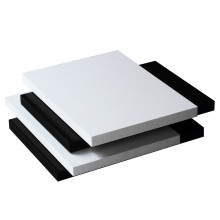
Cellular PVC Trim vs Wood Trim: Which Is Better for Exterior Applications?
Exterior trim plays a critical role in both the appearance and long-term durability of a building. From window surrounds and fascia boards to corner trims and decorative mouldings, exterior trim materials are constantly exposed to moisture, sunlight, temperature changes and insects. Traditionally, wood trim has been the standard choice for residential and commercial construction. However, in recent years, cellular PVC trim has become increasingly popular among builders, contractors and homeowners seeking a more durable and low-maintenance alternative.
As modern construction places greater emphasis on weather resistance, longevity and reduced maintenance costs, the comparison between cellular PVC trim and traditional wood trim has become an important topic. While wood offers a classic natural appearance, cellular PVC trim boards provide superior resistance to moisture, rot and harsh outdoor conditions.
This article provides a comprehensive comparison of cellular PVC trim vs wood trim, including durability, maintenance, installation, appearance, lifespan and cost considerations. Whether you are selecting materials for a new construction project or replacing damaged exterior trim, understanding the differences between these two materials can help you make a better long-term decision.
What Is Cellular PVC Trim?
Cellular PVC trim is a type of rigid expanded PVC building material specifically engineered for exterior trim and decorative applications. Unlike hollow plastic products, cellular PVC features a foamed internal structure that gives the material a wood-like density and workability while maintaining the performance advantages of PVC.
Because of its cellular structure, cellular PVC trim boards can be cut, routed, drilled, screwed and nailed using standard woodworking tools. This makes installation familiar and convenient for contractors who traditionally work with wood trim.
One of the key reasons cellular PVC trim has gained popularity is its excellent resistance to moisture and environmental damage. Since the material does not absorb water, it will not rot, swell or crack when exposed to humid or wet conditions.
Common cellular PVC trim products include:
These products are widely used in residential construction, remodeling projects, coastal homes and commercial buildings.
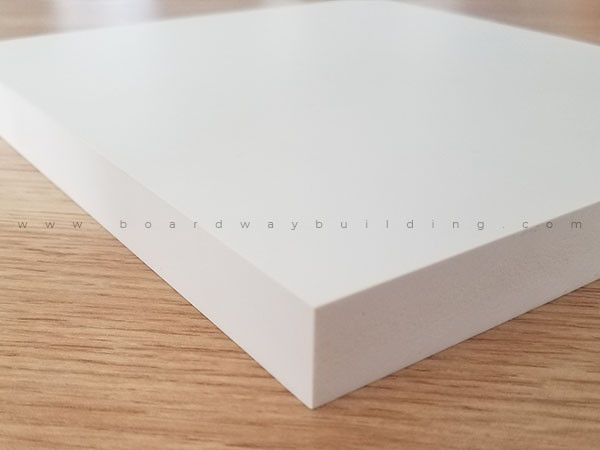
Cellular PVC Trim Board
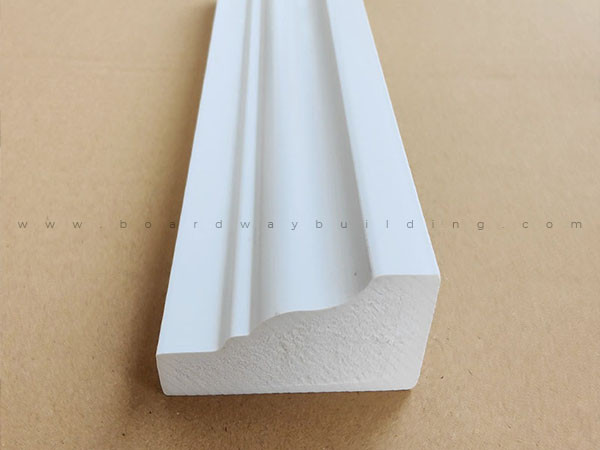
Cellular PVC Moulding
How Cellular PVC Trim Is Manufactured
Cellular PVC trim boards are typically produced through an extrusion process. PVC resin is combined with foaming agents and additives to create a lightweight yet rigid board structure. The finished material usually features a smooth matte surface or a woodgrain texture depending on the intended application.
Compared with natural wood, cellular PVC offers greater consistency in density, surface quality and dimensional stability.
Common Applications of Cellular PVC Trim Boards
Cellular PVC trim is commonly used in areas where moisture resistance and durability are critical, including:
Because of its waterproof performance, cellular PVC is especially suitable for coastal regions and humid climates.
What Is Traditional Wood Trim?
Wood trim has been used in architecture and construction for centuries. Common wood species used for exterior trim include pine, cedar, redwood and engineered wood products.
Many homeowners and architects appreciate wood for its natural grain, traditional appearance and timeless aesthetic. Wood trim can also be easily painted or stained to match various architectural styles.
However, wood is an organic material, which means it is naturally vulnerable to moisture, insects and weather-related deterioration. Even high-quality wood trim requires regular maintenance to maintain its appearance and structural integrity over time.
Despite these limitations, wood trim remains widely used due to its familiarity, availability and lower initial material cost.
Cellular PVC Trim vs Wood Trim: Key Differences
Although cellular PVC trim and wood trim may look similar after installation, their long-term performance can differ significantly.
MOISTURE RESISTANCE
Moisture resistance is one of the biggest advantages of cellular PVC trim.
Cellular PVC is essentially waterproof. It does not absorb water, making it highly resistant to swelling, warping or decay. This characteristic makes cellular PVC trim boards ideal for exterior applications exposed to rain, snow and humidity.
Wood trim, on the other hand, naturally absorbs moisture. Over time, repeated exposure to water can cause swelling, cracking, paint failure and rot. In humid or coastal environments, wood trim often deteriorates much faster without regular maintenance.
For projects requiring waterproof trim boards or rot-resistant exterior trim, cellular PVC is generally the better choice.
ROT AND INSECT RESISTANCE
Another major advantage of cellular PVC trim is its resistance to rot and insects.
Because PVC is a synthetic material, it does not provide a food source for termites or fungi. Cellular PVC trim will not experience fungal decay, insect infestation or wood rot.
Traditional wood trim is vulnerable to termites, carpenter ants and moisture-related fungal growth. Even pressure-treated wood may eventually experience deterioration when exposed to harsh outdoor conditions over long periods.
This makes cellular PVC particularly attractive for coastal homes and regions with high humidity or heavy rainfall.
MAINTENANCE REQUIREMENTS
Maintenance is one of the most important factors influencing material selection for exterior trim.
Cellular PVC trim is considered a low-maintenance exterior trim material. It does not require sealing and typically needs only occasional cleaning to maintain its appearance. Painted cellular PVC trim also tends to retain paint adhesion longer because the material is dimensionally stable and less affected by moisture.
Wood trim requires significantly more maintenance. To prevent moisture damage, wood surfaces often need:
Over the lifetime of a building, these maintenance requirements can substantially increase labor and ownership costs.
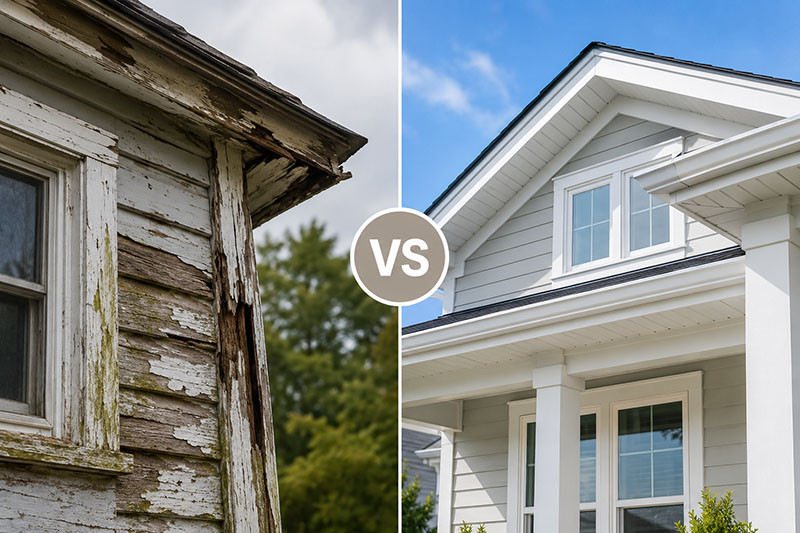
LIFESPAN AND DURABILITY
When properly installed, cellular PVC trim offers excellent long-term durability.
It performs well under exposure to rain, humidity, sunlight and temperature fluctuations. Since it does not absorb water, it is less likely to crack, split or warp compared with wood.
Wood trim can perform well initially, but prolonged environmental exposure often causes deterioration. Common problems include:
In challenging climates, wood trim may require partial replacement much sooner than cellular PVC alternatives.
APPEARANCE AND FINISH
Appearance is one area where both materials offer different advantages.
Wood trim provides a natural grain pattern and a traditional architectural look that many homeowners still prefer. Certain historical or luxury architectural styles may specifically require real wood aesthetics.
Cellular PVC trim, however, provides a clean, consistent surface appearance. It is available in smooth or woodgrain finishes and can be painted in a wide range of colors.
Because cellular PVC products are manufactured rather than naturally grown, they generally offer more uniform surface quality and dimensional consistency than wood.
For modern homes and low-maintenance exterior designs, cellular PVC trim is increasingly preferred.
INSTALLATION AND WORKABILITY
One reason builders have quickly adopted cellular PVC trim is that it can be processed similarly to wood.
Cellular PVC trim boards can be:
using conventional woodworking tools.
This allows contractors to transition from wood to PVC without major changes to installation methods.
However, installers should still follow recommended guidelines for expansion gaps and fastening techniques, since PVC materials may experience thermal movement in changing temperatures.
Wood trim is also easy to process, but natural imperfections such as knots, warping or inconsistent density can sometimes complicate fabrication and installation.
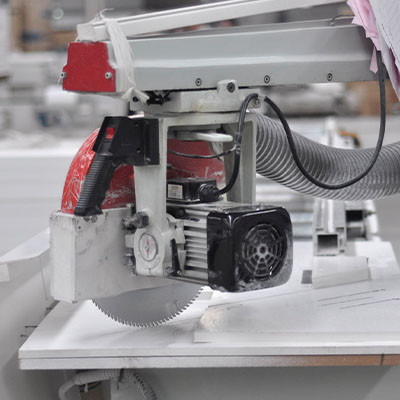
45-degree miter saw
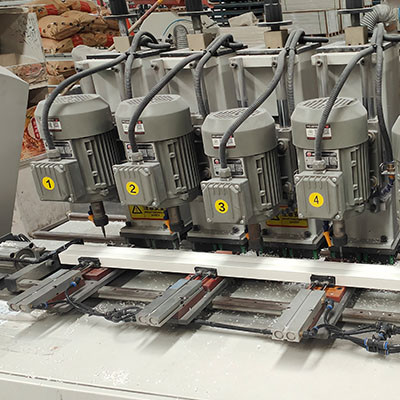
Drilling machine
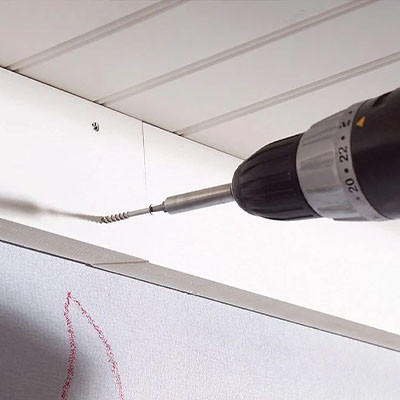
Screw fastening
COST COMPARISON
In terms of initial material cost, wood trim is often less expensive than cellular PVC trim.
However, focusing only on upfront cost does not provide a complete picture.
Wood trim typically generates higher long-term maintenance expenses due to repainting, sealing, repairs and replacement caused by moisture damage or rot.
Cellular PVC trim may involve a higher initial investment, but its lower maintenance requirements and longer service life can reduce lifecycle costs over time.
For many contractors and homeowners, especially in exterior applications exposed to moisture, cellular PVC provides better long-term value.
Why Builders Are Switching to Cellular PVC Trim
The construction industry increasingly favors materials that reduce maintenance and improve long-term performance. As a result, more builders are switching from traditional wood trim to cellular PVC trim boards.
Ideal for Coastal Homes
Coastal environments are extremely demanding on exterior building materials due to salt air, humidity and heavy rain exposure.
Wood trim in coastal regions often experiences accelerated deterioration, including swelling, rot and paint failure.
Cellular PVC trim performs exceptionally well in these environments because it is waterproof and highly resistant to environmental damage.
Suitable for High-Humidity Regions
In humid climates, moisture exposure is a constant concern for exterior trim materials.
Cellular PVC trim helps reduce problems associated with:
This makes it especially suitable for tropical and subtropical regions.
Better Performance in Harsh Weather
Exterior trim materials must endure:
Cellular PVC trim provides reliable dimensional stability under these conditions, helping reduce cracking and maintenance issues over time.
Best Applications for Cellular PVC Trim Boards
Cellular PVC trim boards are highly versatile and can be used in a wide range of exterior applications.
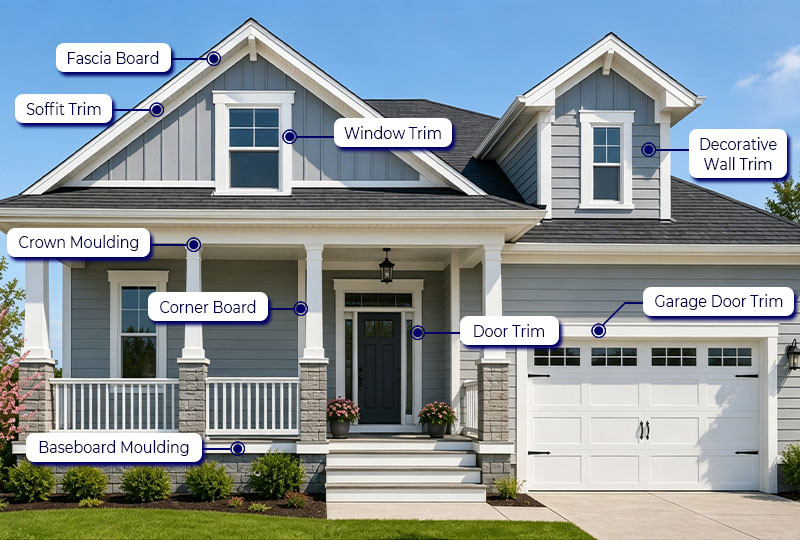
PVC Fascia Boards
PVC fascia boards are commonly installed along roof edges where moisture exposure is constant. Cellular PVC fascia boards provide excellent resistance to rot and require far less maintenance than wood fascia.
PVC Window Trim
Exterior window trim is highly vulnerable to water intrusion. Cellular PVC window trim helps protect window openings while maintaining a clean architectural appearance.
PVC Door Trim
Entry doors experience constant exposure to rain and humidity. PVC door trim offers better long-term durability than traditional wood trim around door frames.
PVC Corner Boards
Exterior corner boards help protect siding edges while improving visual appearance. Cellular PVC corner boards maintain their shape and resist moisture damage over time.
Decorative PVC Mouldings
Decorative cellular PVC mouldings can enhance exterior architectural details while offering weather-resistant performance.
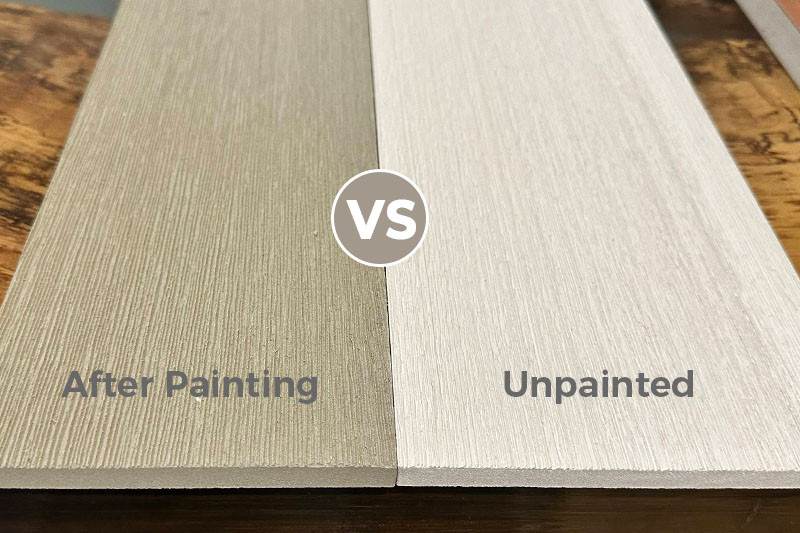
Can Cellular PVC Trim Be Painted?
Yes, cellular PVC trim can be painted.
Most manufacturers recommend using high-quality acrylic latex paint specifically designed for exterior applications. Painting cellular PVC trim allows builders and homeowners to match a wide range of architectural styles and color schemes.
Compared with wood, painted cellular PVC trim often requires less frequent repainting because the material is less affected by moisture movement.
However, very dark colors may absorb more heat and increase thermal expansion. For this reason, some manufacturers recommend lighter paint colors in extremely hot climates.
Is Cellular PVC Trim Environmentally Friendly?
While cellular PVC is a synthetic material, it offers several sustainability-related advantages.
Because cellular PVC trim has a long lifespan and requires fewer replacements, it may help reduce material waste over time. Additionally, using cellular PVC can reduce demand for natural wood resources in certain applications.
Its durability and low maintenance requirements also contribute to lower long-term consumption of paints, sealants and repair materials.
How to Choose the Right Cellular PVC Trim Supplier
The performance of cellular PVC trim boards depends heavily on manufacturing quality. Choosing a reliable supplier is essential for achieving consistent product performance.
Consistent Density and Surface Quality
High-quality cellular PVC trim should provide:
Consistent product quality improves fabrication efficiency and installation results.
OEM Size and Profile Customization
Many projects require customized trim profiles, dimensions or surface textures.
An experienced cellular PVC trim manufacturer should be able to provide OEM customization for:
Stable Exterior Performance
Exterior-grade cellular PVC trim should offer reliable weather resistance, UV stability and long-term durability for outdoor applications.
Reliable Export Packaging
For international projects and distributors, proper packaging is also important to reduce transportation damage and maintain product quality during shipment.
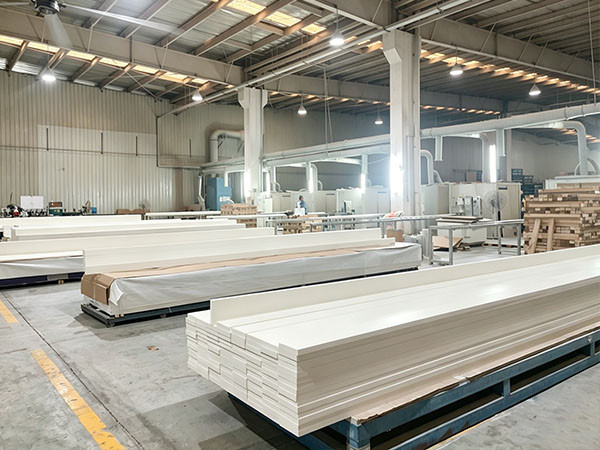
Cellular PVC Trim Manufacturer
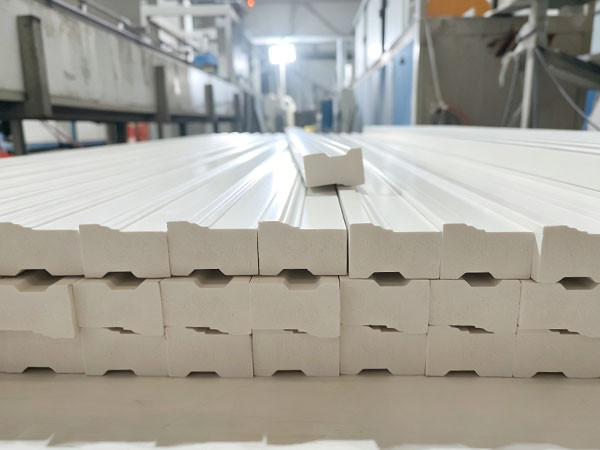
Cellular PVC Moulding Production
Conclusion
Both cellular PVC trim and traditional wood trim have their advantages, but their suitability largely depends on project requirements, climate conditions and long-term maintenance expectations.
Wood trim continues to offer a classic natural appearance and lower initial cost. However, it also requires ongoing maintenance and remains vulnerable to moisture, insects and rot.
Cellular PVC trim, by contrast, provides outstanding moisture resistance, low maintenance requirements and long-term durability. Its ability to withstand harsh weather conditions makes it an increasingly popular choice for exterior trim applications, especially in coastal and high-humidity environments.
For builders, contractors and homeowners seeking a durable, waterproof and low-maintenance alternative to traditional wood trim, cellular PVC trim boards often represent a better long-term investment.
As demand for high-performance exterior building materials continues to grow, cellular PVC trim is expected to play an even larger role in modern construction and architectural design.
FAQs
Does cellular PVC trim rot like wood?
No. Cellular PVC trim does not absorb moisture and will not rot like traditional wood trim.
Is PVC trim better than wood for exterior use?
In many exterior applications, PVC trim offers better moisture resistance, lower maintenance and longer durability than wood trim.
Can you paint cellular PVC trim boards?
Yes. Cellular PVC trim can be painted using high-quality exterior acrylic latex paint.
Does cellular PVC expand in hot weather?
Like most building materials, cellular PVC may expand and contract slightly with temperature changes. Proper installation techniques help accommodate thermal movement.
How long does cellular PVC trim last?
When properly installed, cellular PVC trim can provide decades of exterior performance with minimal maintenance.
Related Products

Boardway manufactures durable cellular PVC Trim Board for fascia, soffit, window trim, and exterior architectural applications.
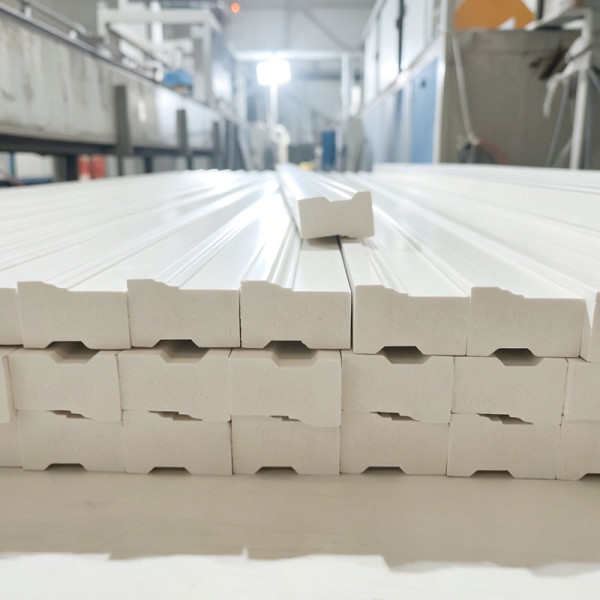
Boardway manufactures decorative cellular PVC Moulding for crown moulding, baseboard, door casing, and decorative trim projects.
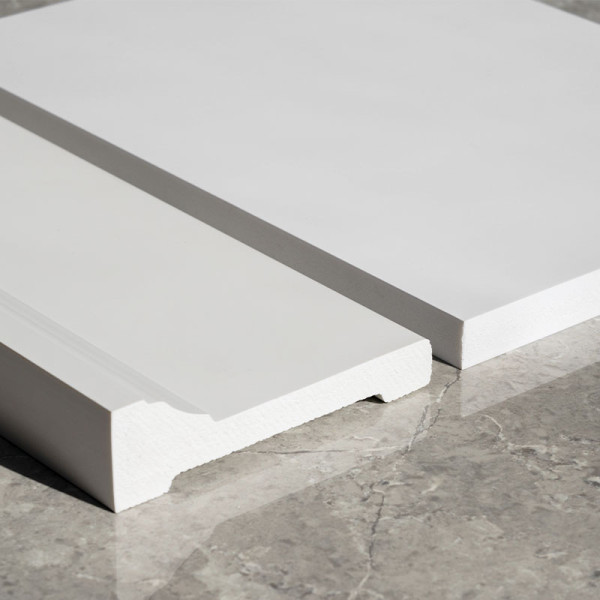
Complete PVC Trim Board & Moulding solutions for exterior and interior architectural applications with OEM customization support.
- Want to learn more about Cellular PVC Trim Boards? Visit our product main page.
- READ MORE