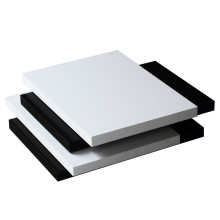
PVC Foam Board for Interior Wall Panels: Applications, Finishes and Fabrication
Interior wall panels are widely used in residential, commercial, and hospitality spaces to create attractive, coordinated interiors. From restaurant corridors and private dining rooms to retail stores and office interiors, wall panels can help define the appearance and atmosphere of a space.
For manufacturers and interior decoration material suppliers, choosing the right substrate is an important part of wall panel production. PVC Foam Board is one material worth considering because it can be cut, fabricated, and finished in different ways to meet various decorative requirements.
When combined with decorative films, Laminated PVC Foam Board offers additional surface design possibilities, including solid colors, wood grain, leather textures, and marble patterns.
In this article, we explore how PVC Foam Board can be used for interior wall panels, the available surface finishes, common fabrication methods, and the factors buyers should consider when selecting boards for their projects. We also share a real restaurant project featuring Boardway's Laminated PVC Foam Board.
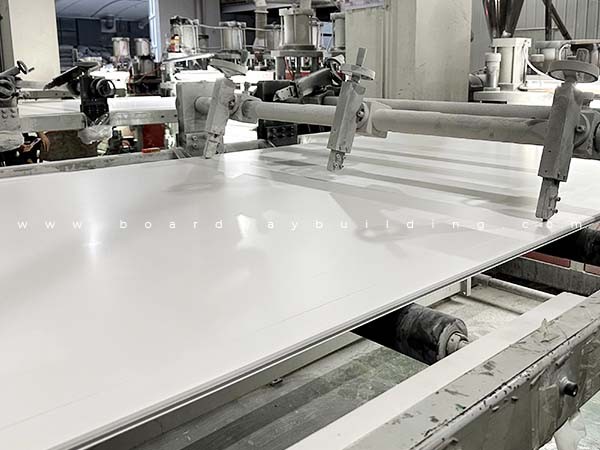
PVC Foam Board Production
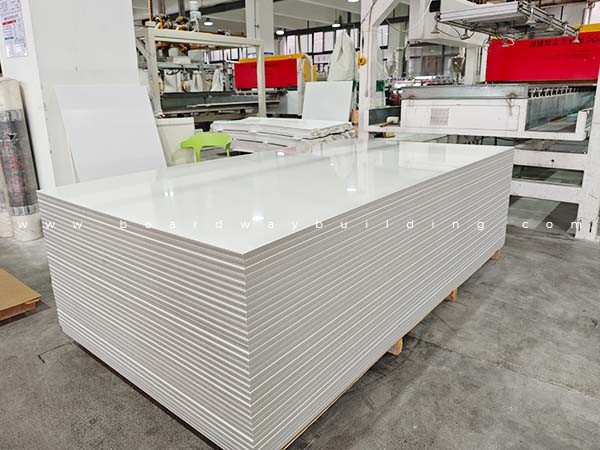
PVC Co-extruded Foam Board
1. Where Can PVC Foam Board Be Used for Interior Wall Panels?
PVC Foam Board can serve as a substrate for manufacturing decorative interior wall panels. Its applications depend on the panel design, board specifications, surface finish, and installation system.
Here are some common applications.
1.1 Decorative Wall Panels
Decorative wall panels are used in homes, hotels, restaurants, offices, and other interior spaces.
PVC Foam Board can be processed into panels of different sizes and shapes, with decorative surfaces selected to match the overall interior design.
For example, laminated boards with solid-color finishes can create a clean and simple appearance, while wood-grain finishes can bring a warmer, more natural look to interior walls.
1.2 Feature Walls and Accent Panels
Feature walls are designed to make particular areas stand out. They are commonly found in hotel lobbies, restaurant reception areas, living rooms, and commercial spaces.
PVC Foam Board can be cut into different panel dimensions and fabricated to suit decorative layouts. With suitable surface finishes, it can be used to create coordinated wall designs or highlight specific areas within a room.
1.3 Restaurant and Hospitality Interiors
Restaurants, hotels, and other hospitality venues often use decorative wall panels to establish a consistent interior style.
Different areas may require different visual effects. A restaurant corridor, for instance, may use a neutral solid-color finish, while private dining rooms may feature wood-grain panels for a warmer atmosphere.
Laminated PVC Foam Board provides multiple decorative surface options, making it a material to consider for these interior applications.
1.4 Commercial Interior Fit-Out
Offices, retail stores, exhibition spaces, and other commercial interiors may incorporate decorative wall panels as part of their interior fit-out.
Depending on the project requirements, PVC Foam Board can be supplied in different thicknesses, densities, and dimensions for further fabrication by panel manufacturers and interior contractors.

PVC Foam Board for Bookshelf

PVC Foam Board Cabinet
2. Real Project: Laminated PVC Foam Board Used for Restaurant Wall Panels
Different areas within the same commercial space can have different decorative requirements. A restaurant project near Boardway's factory provides a practical example of how Laminated PVC Foam Board can be used to achieve different interior styles.
The restaurant used Boardway's Laminated PVC Foam Board for its interior wall panels. Instead of using the same decorative finish throughout the building, the project selected different surface designs for the corridors and private dining rooms.
2.1 Beige Matte Finish for Restaurant Corridors
The restaurant corridors feature Laminated PVC Foam Board with a beige matte decorative film.
The neutral beige color creates a clean and understated appearance, making it suitable for corridor walls where a simple, coordinated interior style is preferred.
The matte finish also gives the wall panels a subtle visual effect without the prominent reflection of a glossy surface.
2.2 Light Wood Grain Finish for Private Dining Rooms
For the private dining rooms, the restaurant selected Laminated PVC Foam Board with a light wood-grain decorative film.
Compared with the beige matte finish used in the corridors, the light wood-grain surface introduces a warmer and more natural visual effect.
This choice helps create a different atmosphere in the dining areas while maintaining a coordinated decorative style throughout the restaurant.
2.3 One Material, Different Decorative Possibilities
This restaurant project demonstrates how different decorative finishes can be selected according to the design requirements of individual spaces.
The beige matte finish provides a simple, neutral appearance for the corridors, while the light wood-grain finish gives the private dining rooms a warmer look.
Both applications use Laminated PVC Foam Board as the panel material, with the decorative film determining the final surface appearance.
For wall panel manufacturers and interior material suppliers, this offers flexibility when developing products for different interior design projects.
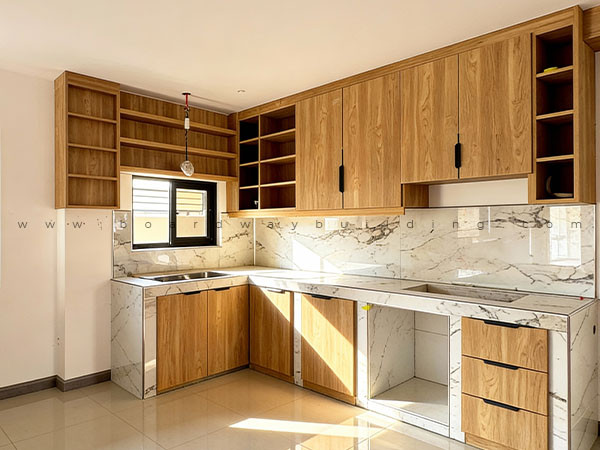
PVC Foam Board for Cabinet Doors
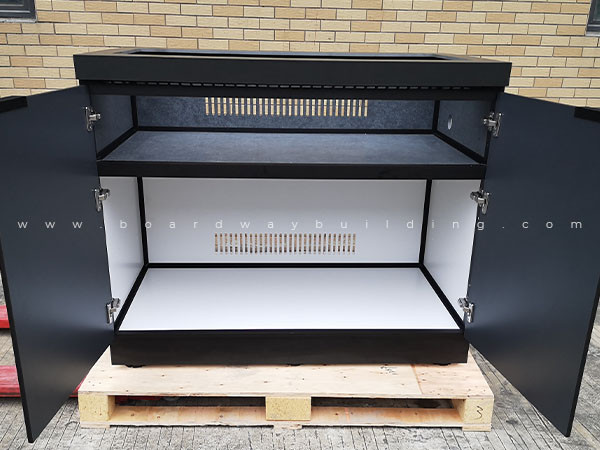
PVC Foam Board for Side Panels
3. Surface Finishes for PVC Foam Board Wall Panels
The surface finish plays an important role in the final appearance of decorative wall panels. Different finishes can create noticeably different visual effects, even when the same base material is used.
Here are several surface options to consider.
3.1 Smooth Surface
Smooth PVC Foam Board provides a relatively even surface for applications requiring a simple, clean appearance.
Depending on the board type and surface condition, it may also serve as a substrate for additional finishing processes.
When selecting smooth boards for decorative applications, buyers should confirm whether the surface condition is suitable for their intended finishing method.
3.2 Sanded Surface
Sanded PVC Foam Board has a processed surface that can be used in applications requiring a sanded finish or further surface treatment.
The actual suitability depends on the required decorative effect and subsequent processing method.
3.3 Laminated Surface
Laminated PVC Foam Board is produced by applying a decorative film to the board surface.
It offers more ready-made decorative options than a standard unfinished board, making it suitable for projects where appearance is an important consideration.
Common decorative options include:
The choice of film should be based on the design concept, intended application, and project requirements.
3.4 Custom Colors and Decorative Patterns
For manufacturers supplying different markets or working on customized projects, standard surface designs may not always meet customer requirements.
Custom colors and decorative patterns can help create a more consistent appearance across different interior products.
When ordering laminated boards in bulk, buyers should confirm the selected film design, color, texture, and sample approval requirements before production.
4. Fabrication Methods for PVC Foam Board Wall Panels
After selecting the board specifications and surface finish, the next consideration is fabrication.
PVC Foam Board can be processed using different methods depending on the panel design and the capabilities of the manufacturer.
4.1 Cutting and Sizing
Cutting is one of the basic steps in wall panel production.
Boards can be cut into the required dimensions according to the project drawings. For commercial projects involving multiple rooms or large wall areas, accurate sizing and consistent specifications help simplify subsequent fabrication and installation.
Buyers should confirm the required board dimensions and thickness before placing bulk orders.
4.2 CNC Routing and Engraving
CNC routing can be used to create decorative grooves, patterns, and shaped edges on PVC Foam Board.
For example, manufacturers may use CNC processing to produce panels with linear grooves or customized decorative patterns.
The suitable processing method depends on the board thickness, panel design, and desired finished appearance.
4.3 Drilling and Edge Processing
Some wall panel designs require holes, cutouts, or specially processed edges for connections and installation.
These features should be planned according to the intended mounting system and project drawings.
For laminated boards, the processing method should also take the decorative surface into account to help maintain the desired appearance of the finished panel.
4.4 Panel Joining and Installation Preparation
Wall panels may be installed using different fixing and joining systems depending on the wall structure and project design.
Before fabrication, panel manufacturers and contractors should determine:
There is no single installation method suitable for every wall panel project. The fixing system should be selected according to the substrate, panel specifications, installation environment, and applicable project requirements.
5. How to Choose the Right PVC Foam Board for Interior Wall Panels
Selecting the right board involves more than choosing a decorative finish. Buyers should also consider the panel dimensions, thickness, density, fabrication requirements, and installation method.
5.1 Select the Appropriate Thickness
Board thickness should be selected according to the panel size, supporting structure, fixing method, and intended application.
Larger panels or designs involving specific mounting requirements may need different specifications from smaller decorative panels.
Rather than choosing the thickest available board, manufacturers should evaluate the complete panel design and installation conditions.
5.2 Consider Board Density and Structure
PVC Foam Board is available in different density options.
Density affects the board's weight and can influence certain processing and application characteristics. However, density alone does not determine the overall strength or performance of a panel.
Thickness, board structure, formulation, and the intended fixing system should also be considered.
For bulk purchasing, buyers should confirm the required density range and evaluate samples based on their actual fabrication and application needs.
5.3 Match the Surface Finish to the Interior Design
The decorative surface should match the visual requirements of the project.
For example:
The restaurant project described above illustrates how two different finishes can be used within the same building to create distinct visual effects.
5.4 Confirm Fabrication and Installation Requirements
Before purchasing, manufacturers should clarify how the boards will be processed and installed.
Important details include panel dimensions, cutting requirements, decorative patterns, edge treatments, connection methods, and fixing systems.
Providing drawings, samples, or detailed specifications to the board supplier can help ensure that the selected material is appropriate for the intended application.
6. What Should Buyers Check Before Bulk Purchasing?
For importers, distributors, and wall panel manufacturers, evaluating samples before placing a bulk order is an important step.
Consider checking the following:
Board specifications
Decorative surface
Fabrication suitability
Order requirements
If the finished panels will be used in a particular environment, buyers should also identify any relevant project requirements, such as fire performance, emissions, or other applicable standards. These requirements should be verified through appropriate documentation and testing rather than assumed from the material type alone.
7. Laminated PVC Foam Board from Boardway
Boardway is a manufacturer of PVC Foam Board, offering different board specifications and surface options for customers in furniture, interior decoration, advertising, and other industries.
For customers developing decorative wall panels, Boardway offers Laminated PVC Foam Board with various decorative surface options, including:
Customers can discuss their required board thickness, density, dimensions, and decorative surface designs according to their project needs.
For projects involving customized wall panels, sharing the intended application, drawings, or reference samples can help us understand the requirements and recommend suitable board options.
Whether you are a wall panel manufacturer, building material distributor, importer, or interior decoration material supplier, Boardway can discuss your PVC Foam Board sourcing requirements.
8. Conclusion
PVC Foam Board can be used as a substrate for manufacturing decorative interior wall panels in residential, commercial, and hospitality spaces.
The choice of board specifications, decorative surface, fabrication method, and installation system all contribute to the suitability of the finished panels.
As demonstrated by the restaurant project, Laminated PVC Foam Board can offer different decorative possibilities within the same interior space. A beige matte finish can create a simple appearance in corridors, while a light wood-grain finish can bring a warmer atmosphere to private dining rooms.
If you are sourcing PVC Foam Board or Laminated PVC Foam Board for interior wall panel production, contact Boardway to discuss your required specifications and decorative surface options.
Frequently Asked Questions
1. Can PVC Foam Board be used for interior wall panels?
Yes. PVC Foam Board can be processed into decorative panels for various interior applications. Its suitability depends on the board specifications, panel design, fabrication method, and installation system.
2. What thickness of PVC Foam Board is suitable for wall panels?
The appropriate thickness depends on panel dimensions, supporting structure, fixing method, and project requirements. Buyers should evaluate these factors together rather than selecting thickness based on a single general recommendation.
3. Can PVC Foam Board be laminated with wood-grain or marble finishes?
Yes. Laminated PVC Foam Board is available with different decorative film options, including wood-grain, marble, solid-color, and leather-texture finishes. Custom surface designs can also be discussed according to project requirements.
4. Can PVC Foam Board be CNC cut or engraved for decorative wall panels?
Yes. PVC Foam Board can be processed using CNC routing for decorative grooves, patterns, and shaped designs. The suitable processing method depends on the board specifications and the intended panel design.
5. What is the difference between standard PVC Foam Board and Laminated PVC Foam Board?
Standard PVC Foam Board is supplied without the decorative film finish, while Laminated PVC Foam Board has a decorative film applied to its surface. Laminated boards offer more ready-made decorative options for applications where the final appearance is important.
6. How should buyers select PVC Foam Board for a wall panel project?
Buyers should consider board thickness, density, dimensions, surface finish, fabrication requirements, and installation methods. Providing project drawings or reference samples to the supplier can help determine suitable specifications.
- Want to learn more about PVC foam boards? Visit our PVC Foam Board main page.
- READ MORE