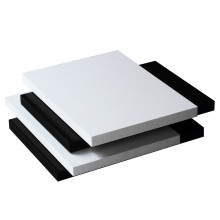
Why Builders Use PVC Fascia Boards Instead of Wood
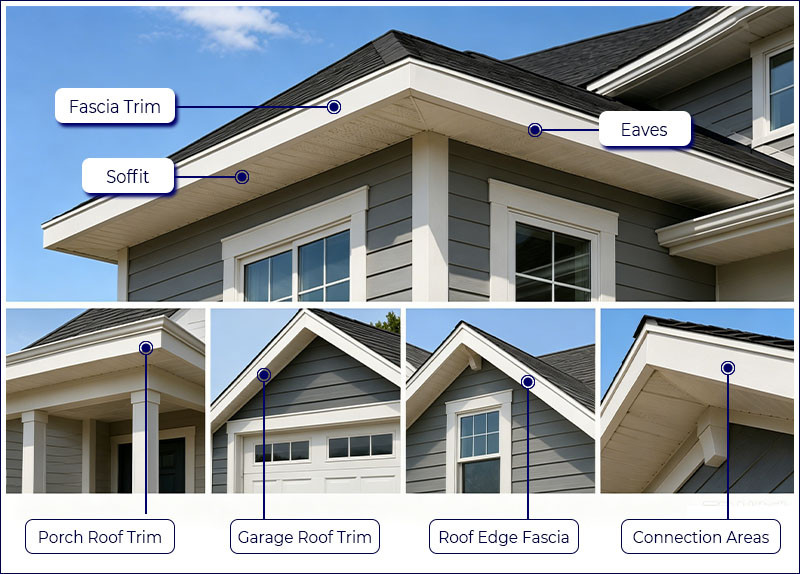
When it comes to exterior home construction, fascia boards play a critical role in both roof protection and architectural appearance. Installed along the roof edge, fascia boards help support gutters, cover exposed rafters, and create a clean transition between the roof and exterior walls. Because fascia boards are constantly exposed to rain, humidity, sunlight, and changing temperatures, choosing the right material is extremely important.
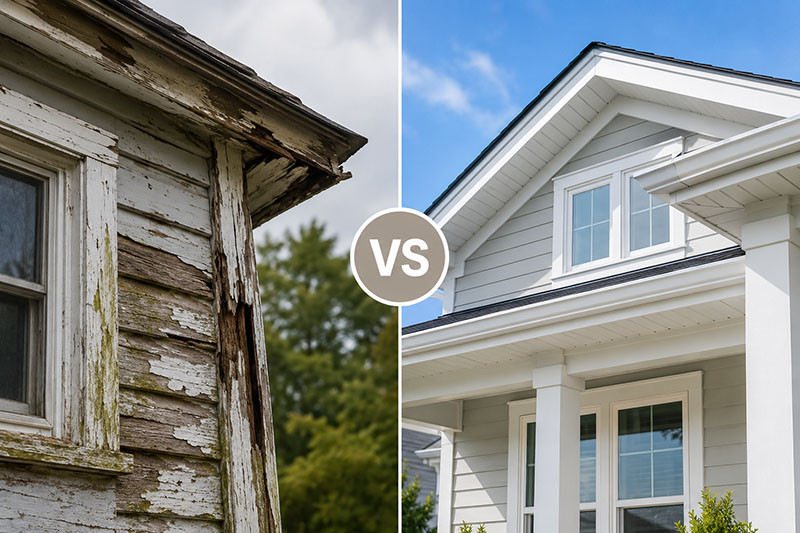
For decades, traditional wood fascia boards were the standard choice in residential and commercial construction. However, builders and contractors increasingly face common problems with wood, including rot, moisture absorption, insect damage, cracking, and ongoing maintenance costs. In humid or coastal climates, wood fascia can deteriorate surprisingly quickly, leading to costly repairs and frequent repainting.
As a result, more builders are switching to Cellular PVC fascia boards as a long-lasting alternative. Cellular PVC is a lightweight yet durable material specifically designed for exterior trim applications. Unlike wood, it does not absorb moisture, rot, or attract termites. It also offers a smooth, attractive appearance with minimal maintenance requirements.
Today, Cellular PVC fascia boards are widely used in modern exterior projects because they provide excellent weather resistance, easy installation, and long-term value. In this article, we will explore why builders prefer PVC fascia boards instead of wood, compare the performance of both materials, and explain why Cellular PVC has become one of the most popular exterior trim solutions in the construction industry.
What Is a Fascia Board?
A fascia board is a horizontal finishing board installed along the lower edge of a roof. It is typically attached to the ends of roof rafters and serves both functional and decorative purposes in exterior construction.
Fascia boards are important because they:
Since fascia boards are directly exposed to outdoor weather conditions, they must be durable enough to withstand rain, UV exposure, humidity, and temperature fluctuations over many years.
Common Materials Used for Fascia Boards
Several materials are commonly used for fascia boards, including:
Wood Fascia Boards
Traditional wood fascia remains common in many older homes. Wood offers a natural appearance and can be painted in various colors. However, wood is vulnerable to moisture damage, rot, termites, and cracking over time.
Aluminum Fascia
Aluminum fascia is lightweight and resistant to rust. However, it can dent easily and may not provide the same decorative appearance as trim boards.
Fiber Cement Fascia
Fiber cement offers good durability and fire resistance, but it is relatively heavy and more difficult to cut and install.
Cellular PVC Fascia Boards
Cellular PVC fascia boards are becoming increasingly popular because they combine durability, moisture resistance, low maintenance, and easy fabrication. Builders often choose Cellular PVC for modern exterior trim systems because it performs exceptionally well in harsh environments.
Problems with Traditional Wood Fascia Boards
Although wood fascia has been widely used for decades, it comes with several disadvantages that can lead to long-term maintenance problems and higher ownership costs.
Rot and Moisture Damage
One of the biggest issues with wood fascia boards is moisture absorption. Since fascia boards are located directly beneath roof edges and gutters, they are constantly exposed to rainwater and humidity.
Over time, wood absorbs moisture and begins to deteriorate. Common problems include:
In areas with heavy rainfall or coastal humidity, wood fascia can fail much faster than expected. Once moisture penetrates the wood fibers, repairs often become unavoidable.
This is one of the primary reasons why builders now prefer waterproof exterior trim materials like Cellular PVC.
Frequent Painting and Maintenance
Wood fascia boards require regular maintenance to maintain their appearance and structural integrity.
Typical maintenance includes:
Even high-quality exterior paint eventually cracks or peels due to weather exposure. Homeowners often need to repaint wood fascia every few years to prevent moisture penetration.
For builders and property owners seeking low-maintenance exterior materials, this ongoing maintenance requirement becomes a major disadvantage.
Insect and Termite Problems
Wood naturally attracts insects, especially in warm and humid climates. Termites, carpenter ants, and other wood-destroying pests can cause serious structural damage over time.
Additionally, wood fascia may develop mold or mildew when exposed to prolonged moisture.
These problems can shorten the lifespan of exterior trim systems and increase repair costs significantly.
Cracking, Warping, and Splitting
Wood expands and contracts as humidity and temperature change throughout the year. This constant movement often causes:
Once deformation occurs, fascia boards may no longer sit flat against the roofline, creating gaps that allow water intrusion.
These dimensional stability problems are especially common in regions with strong seasonal temperature fluctuations.
Why Builders Prefer Cellular PVC Fascia Boards
Cellular PVC fascia boards solve many of the problems associated with traditional wood trim. As exterior construction standards continue to evolve, builders increasingly prefer PVC because it provides better long-term performance with less maintenance.
100% Moisture Resistance
Unlike wood, Cellular PVC does not absorb water. This makes it an ideal material for exterior fascia applications where constant moisture exposure is unavoidable.
PVC fascia boards remain stable even in:
Because the material is waterproof, it does not swell, soften, or deteriorate when exposed to moisture.
This is one of the most important reasons why builders choose PVC fascia boards for long-lasting exterior projects.
Rot-Proof and Insect-Resistant
Cellular PVC fascia boards are completely rot resistant. Since the material contains no organic fibers, termites and insects cannot damage it like they can with wood.
PVC fascia also resists:
For homeowners in humid regions or coastal areas, this provides significant long-term advantages compared to traditional timber fascia.
Low Maintenance and Long Lifespan
One of the biggest selling points of PVC fascia boards is their low maintenance requirements.
Unlike wood fascia, Cellular PVC does not require:
The smooth surface is easy to clean and maintains its appearance for many years.
For builders, this means fewer callbacks and warranty issues. For homeowners, it means reduced maintenance costs over the lifetime of the building.
Smooth Surface and Attractive Appearance
Modern Cellular PVC fascia boards are available with smooth or woodgrain finishes, allowing builders to achieve a clean and attractive exterior appearance.
Common features include:
PVC fascia works well with various architectural styles, including:
Because Cellular PVC can be manufactured with stable dimensions and uniform density, the finished installation often appears cleaner and more consistent than natural wood.
Easy to Cut, Fasten, and Install
Another major advantage of Cellular PVC fascia boards is ease of fabrication.
Builders can cut and install PVC trim using standard woodworking tools. Common fabrication processes include:
This makes installation simple for contractors already familiar with traditional trim materials.
PVC fascia boards are also lightweight, reducing labor difficulty during installation.
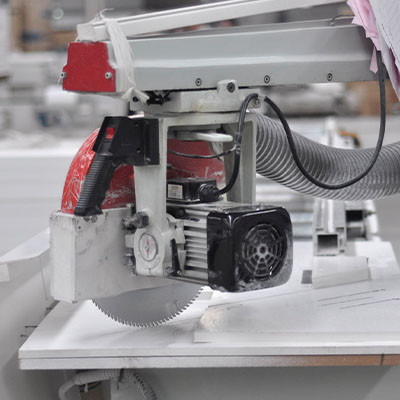
45-degree miter saw
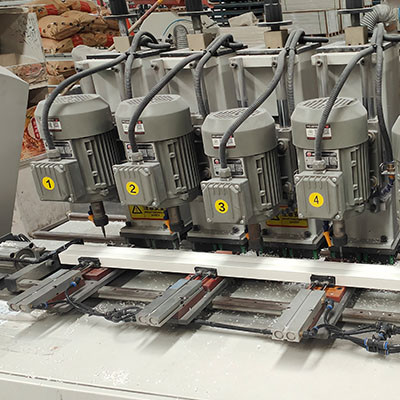
Drilling machine
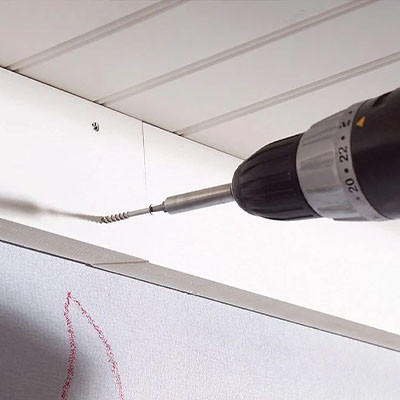
Screw fastening
PVC Fascia Board vs Wood Fascia Board
The following comparison highlights why Cellular PVC fascia boards outperform traditional wood fascia in many exterior applications.
| Feature | Cellular PVC Fascia | Wood Fascia |
| Waterproof | Yes | No |
Rot Resistant | Excellent | Poor |
Insect Resistance | Excellent | Poor |
Maintenance Requirement | Low | High |
| Painting Frequency | Minimal | Frequent |
Moisture Absorption | None | High |
| Dimensional Stability | Excellent | Moderate |
Lifespan | Long | Moderate |
Installation | Easy | Easy |
Exterior Durability | Excellent | Moderate |
Although wood fascia may initially appear more traditional, Cellular PVC offers significantly better long-term performance and lower maintenance costs.
Best Applications for PVC Fascia Boards
Because of their durability and moisture resistance, Cellular PVC fascia boards are suitable for many exterior construction projects.
Residential Roofing Systems
PVC fascia boards are widely used in residential homes because they provide clean roofline finishing while supporting gutter systems effectively.
Builders often use PVC fascia in:
Coastal and Humid Areas
Coastal homes face constant exposure to:
Traditional wood fascia tends to deteriorate rapidly under these conditions.
Cellular PVC fascia boards are ideal for coastal environments because they resist moisture, rot, and corrosion-related damage.
Low-Maintenance Exterior Projects
Many homeowners today prefer low-maintenance building materials that reduce future repair costs.
PVC fascia boards help achieve this goal because they maintain their appearance with minimal upkeep.
They are especially popular in:
Replacement of Damaged Wood Fascia
PVC fascia is also commonly used when replacing rotted wood fascia boards.
Contractors often recommend Cellular PVC upgrades because they offer:
Replacing wood fascia with PVC can significantly improve the long-term performance of exterior roof systems.
Can PVC Fascia Boards Be Painted?
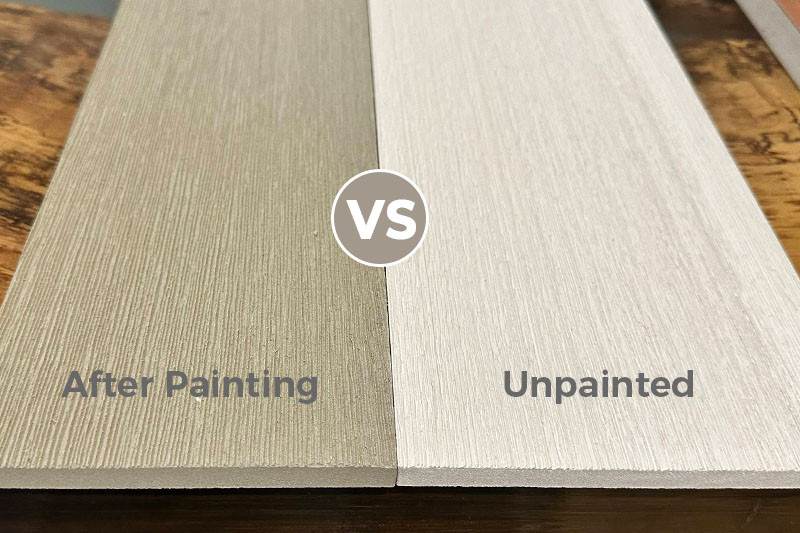
Yes, Cellular PVC fascia boards can be painted if desired.
Although many PVC fascia boards are supplied in white, some homeowners and designers prefer customized exterior color schemes.
For best results, builders typically recommend:
Because dark colors absorb more heat, lighter paint shades are generally preferred to minimize thermal movement.
One major advantage of PVC fascia is that it does not require frequent repainting like wood. Even when painted, the surface usually maintains its finish for a much longer period.
How to Install Cellular PVC Fascia Boards
Proper installation is important to ensure long-term performance and dimensional stability.
Although installation methods vary depending on project requirements, contractors generally follow several best practices.
Allow for Expansion and Contraction
Like most exterior materials, Cellular PVC expands and contracts slightly with temperature changes.
Builders should leave appropriate expansion gaps according to manufacturer recommendations.
Use Proper Fasteners
Stainless steel or corrosion-resistant fasteners are typically recommended for exterior PVC trim applications.
Proper fastening helps maintain a secure and stable installation.
Use Compatible Adhesives
Special PVC trim adhesives can help create stronger joints and cleaner installations.
Many builders combine adhesives with mechanical fasteners for improved durability.
Follow Manufacturer Guidelines
Different fascia profiles and installation environments may require different installation methods.
Professional installers should always follow manufacturer recommendations regarding spacing, fastening, and thermal movement.
How to Choose a Reliable PVC Fascia Board Manufacturer
As demand for Cellular PVC exterior trim continues to grow, selecting the right manufacturer becomes increasingly important.
A reliable PVC fascia board supplier should offer:
Stable Product Quality
Consistent density and dimensional stability are essential for professional exterior trim applications.
High-quality PVC fascia boards should provide:
OEM and Customization Capability
Many distributors and contractors require customized solutions, including:
Manufacturers with strong OEM capability can better support project-specific requirements.
Production Capacity and Export Experience
Experienced manufacturers understand international quality standards and export requirements.
This is especially important for distributors sourcing PVC fascia boards for overseas construction markets.
Technical Support
Professional manufacturers should also provide:
Choosing a knowledgeable supplier can help improve project performance and customer satisfaction.
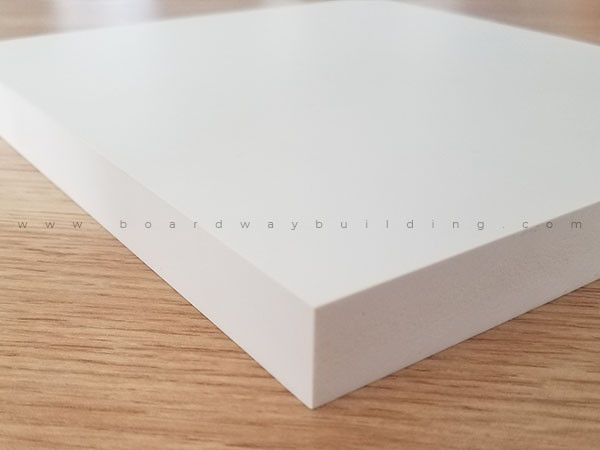
Cellular PVC Fascia Board
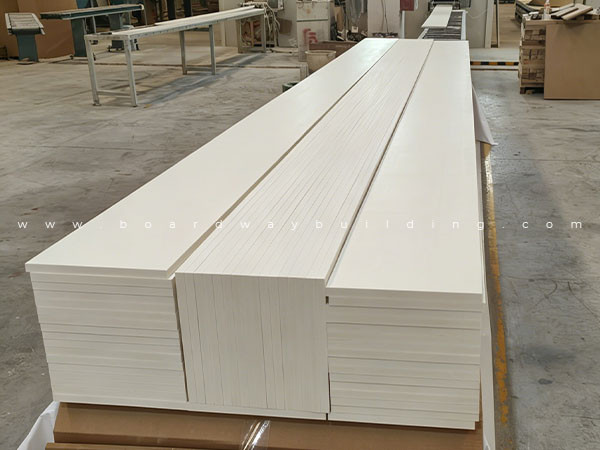
PVC Fascia Board Manufacturer
Conclusion
Traditional wood fascia boards may still be used in many construction projects, but their long-term disadvantages are becoming increasingly difficult to ignore. Moisture absorption, rot, cracking, insect damage, and constant maintenance all contribute to higher lifetime costs and reduced durability.
As builders and homeowners seek more reliable exterior materials, Cellular PVC fascia boards have emerged as a superior alternative.
PVC fascia offers numerous advantages, including:
These benefits make Cellular PVC an ideal choice for modern exterior trim systems, especially in humid, coastal, or high-moisture environments.
Whether used in new construction or exterior renovation projects, PVC fascia boards provide long-lasting protection and cleaner exterior aesthetics with far less maintenance than traditional wood fascia.
For builders, contractors, distributors, and homeowners looking for durable exterior trim solutions, Cellular PVC fascia boards continue to be one of the most practical and cost-effective options available today.
FAQs About PVC Fascia Board
Is PVC fascia board better than wood?
Yes. Cellular PVC fascia boards offer several advantages over traditional wood fascia, including waterproof performance, rot resistance, insect resistance, and lower maintenance requirements. PVC fascia also lasts longer in humid and coastal environments where wood is more likely to deteriorate.
Are PVC fascia boards waterproof?
Yes. Cellular PVC fascia boards are completely moisture resistant and do not absorb water like wood. This makes them ideal for exterior roofing systems, especially in rainy or high-humidity climates.
Can PVC fascia boards be painted?
Yes. PVC fascia boards can be painted using 100% acrylic latex paint. Many builders recommend using lighter colors to reduce heat absorption and minimize thermal expansion.
Do PVC fascia boards rot or crack?
No. Unlike traditional wood fascia, Cellular PVC fascia boards do not rot, warp, split, or crack due to moisture exposure. They are designed for long-term exterior durability
How long do Cellular PVC fascia boards last?
High-quality Cellular PVC fascia boards can last for decades with minimal maintenance. Their lifespan is generally much longer than traditional wood fascia because they resist moisture, insects, and weather-related damage.
Related Products
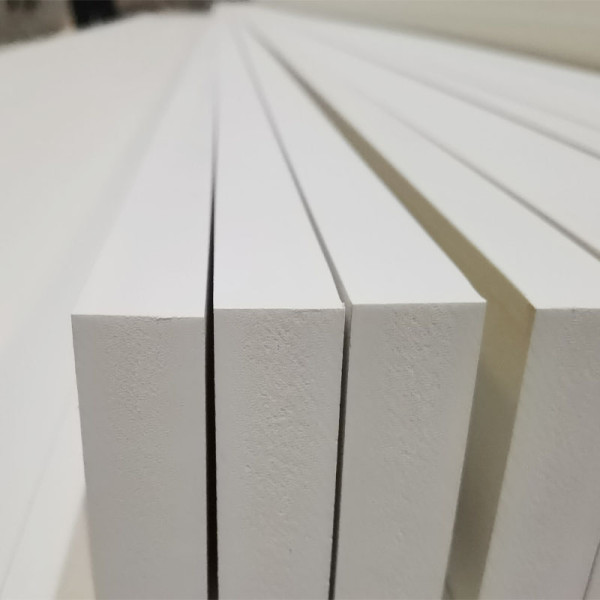
Durable cellular PVC Fascia Board for exterior roofline applications. Moisture resistant, low maintenance, OEM sizes available.
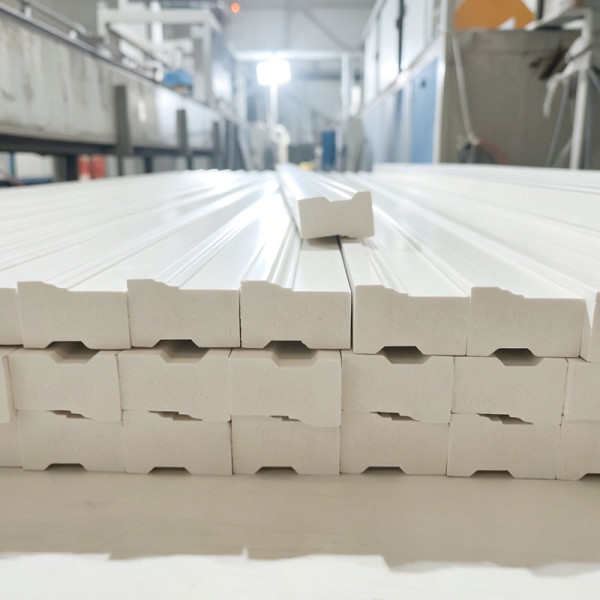
Boardway manufactures decorative cellular PVC Moulding for crown moulding, baseboard, door casing, and decorative trim projects.
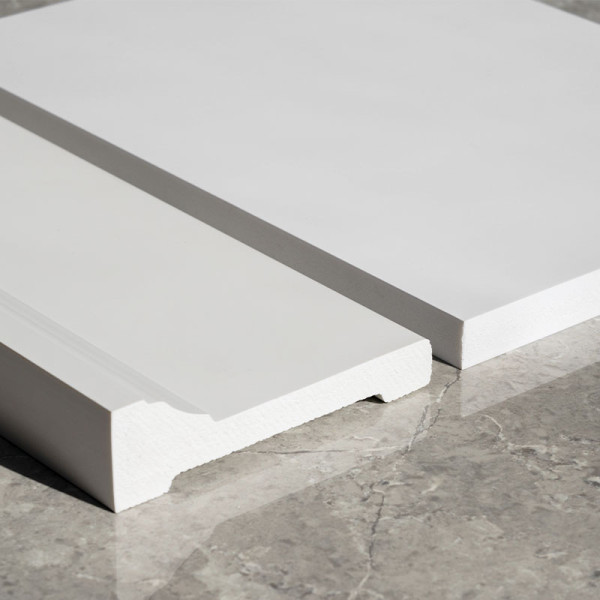
Complete PVC Trim Board & Moulding solutions for exterior and interior architectural applications with OEM customization support.
- Want to learn more about Cellular PVC Trim Boards? Visit our product main page.
- READ MORE