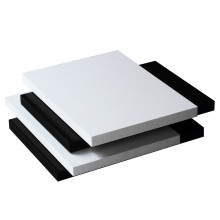
Can PVC Foam Board Fully Replace Wood? The Answer Is: It Depends.
PVC foam board has become one of the most popular alternative materials to traditional wood in recent years. With its lightweight structure, durability, and excellent resistance to water and chemicals, it has been widely adopted in furniture, construction, signage, and interior decoration.
However, an important question remains: Can PVC foam board fully replace wood in all applications?
The honest answer is — it depends on where and how you plan to use it.
In this article, we explore when PVC foam board can outperform wood, and when wood is still the more suitable choice. Understanding these differences helps businesses and users choose the right material for their projects, ensuring performance, cost-effectiveness, and long-term reliability.
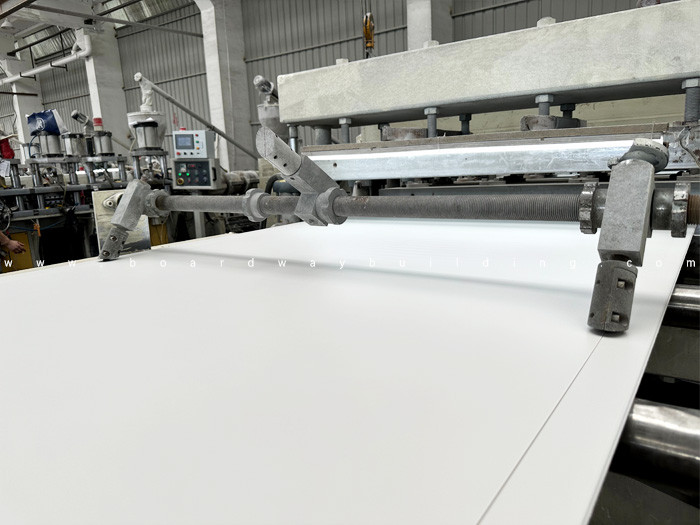
Boardway PVC Foam Board Production Line
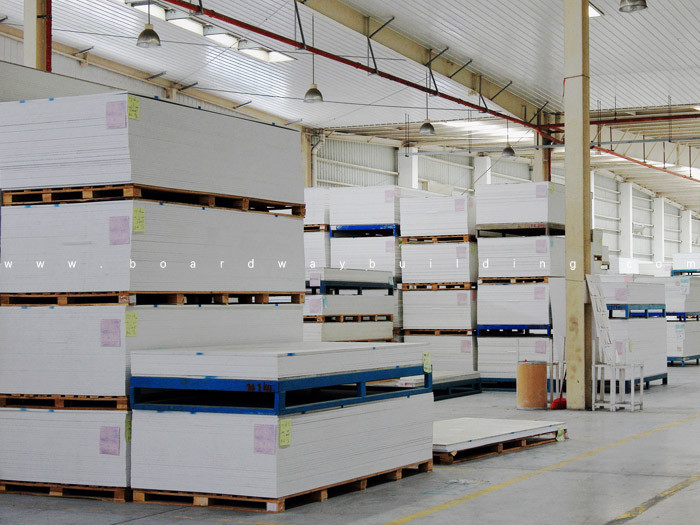
Boardway PVC Foam Board Warehouse
When PVC Foam Board Is an Ideal Replacement for Wood
PVC foam board is engineered to overcome many limitations of natural wood. In several scenarios, it not only performs as well as wood — it performs better.
1. When Moisture Resistance Is Essential
Wood absorbs moisture, swells, and deforms over time.
PVC foam board, on the other hand, is 100% waterproof.
Ideal for:
PVC foam board remains stable in environments where wood fails.
2. When Long-Term Durability Is Required
PVC foam board does not rot, warp, crack, or delaminate.
It is also resistant to:
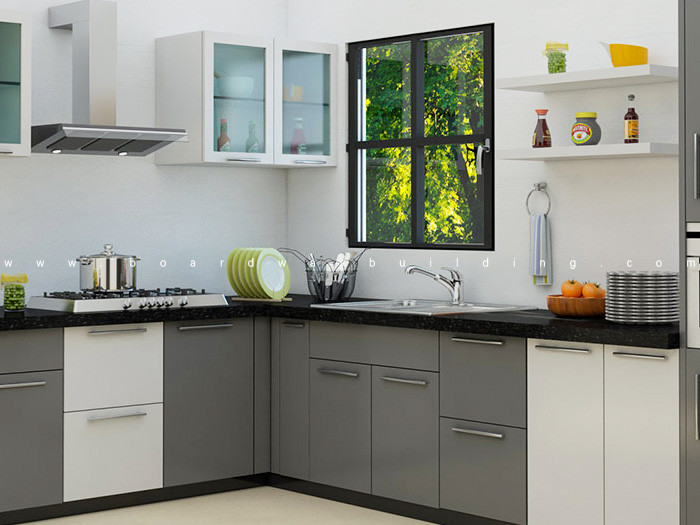
PVC Foam Board Kitchen Cabinetry
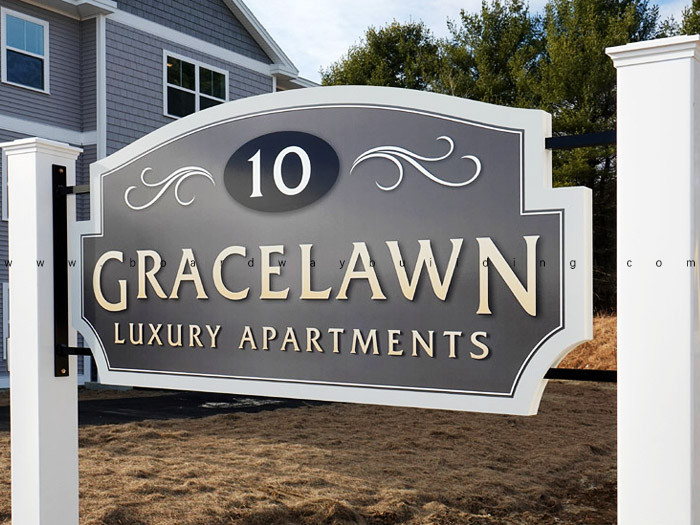
PVC Outdoor Signage
Applications where durability matters:
In these cases, PVC foam board often outlasts wood and reduces maintenance costs.
3. When Lightweight Material Is Needed
PVC foam board is lighter than most types of wood and plywood while still offering good strength.
Suitable for:
Its ease of handling improves installation efficiency and reduces labor cost.
4. When a Smooth, Printable, or Paintable Surface Is Required
Unlike wood, PVC foam board comes with a naturally smooth, matte surface that requires no sanding.
It supports:
This makes it perfect for signage and decorative applications where surface quality is important.
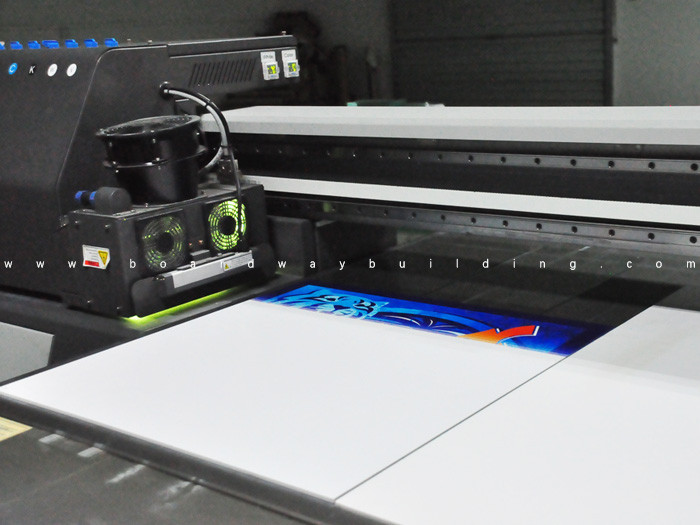
Digital Printing
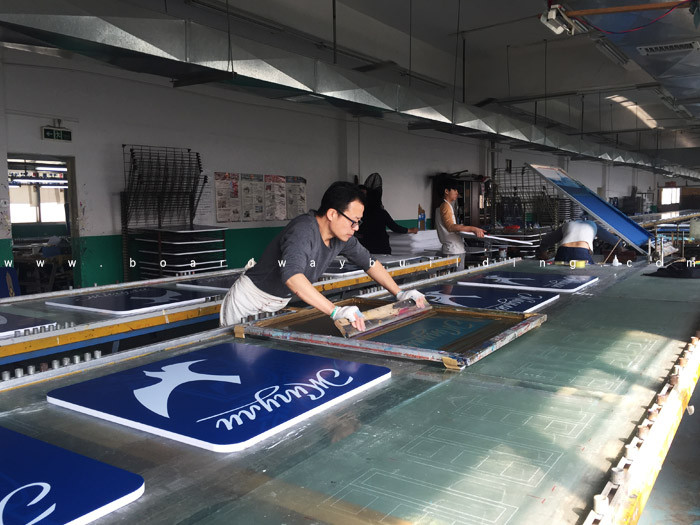
Screen Printing
When PVC Foam Board Is Not the Best Replacement for Wood
Despite its advantages, PVC foam board is not universally suitable. Some applications still rely on the unique characteristics of natural wood.
1. High Strength and Structural Load-Bearing Requirements
PVC foam board is rigid and tough, but it cannot match the load-bearing capacity of solid wood.
Examples where wood remains essential:
PVC foam board is ideal for panels, surfaces, and non-structural components — not main structural supports.
2. Applications Requiring Natural Wood Texture and Aesthetics
Although PVC foam board can be laminated with wood-grain films, it cannot perfectly replicate:
For luxury interior décor or high-end furniture, customers may still prefer real wood.
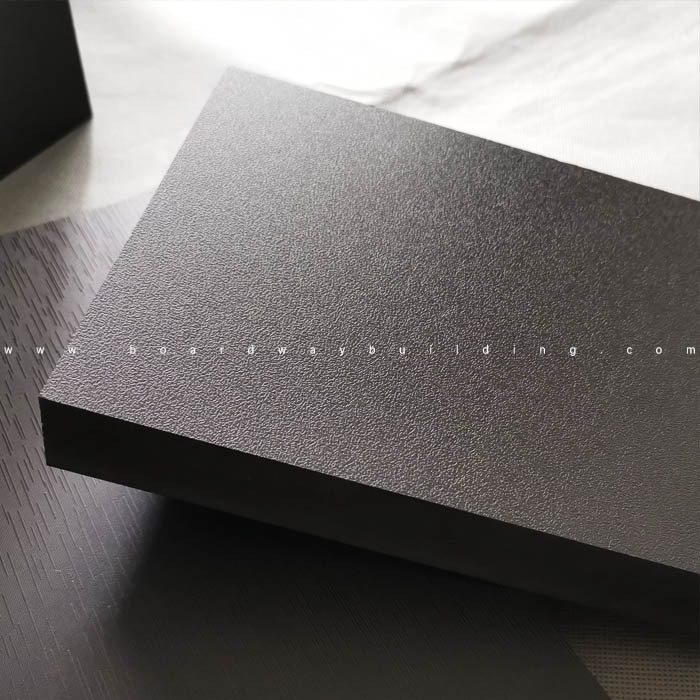
Matte PVC Foam Board
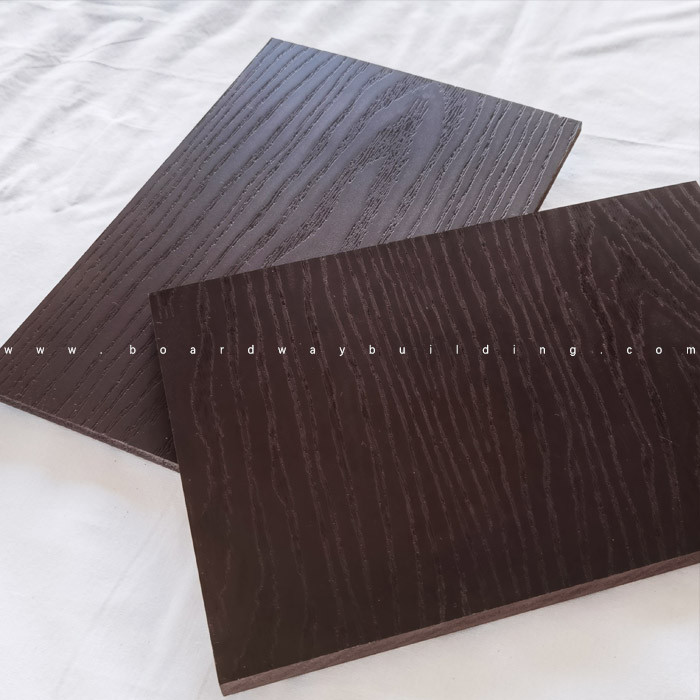
Wood Grain PVC Foam Board
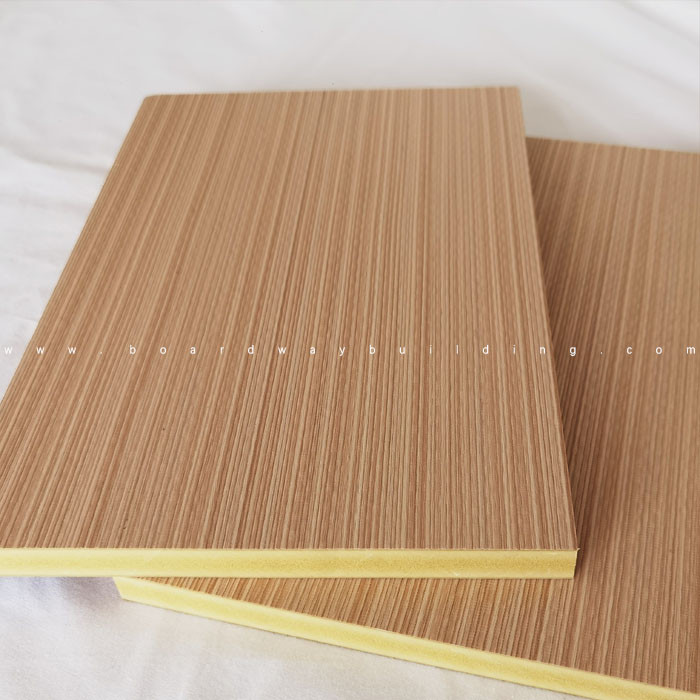
PVC Decorative Panel
3. High-Temperature or Heat-Intensive Environments
PVC foam board softens at higher temperatures and may deform if exposed to heat sources.
Not recommended for:
Wood maintains its structural integrity better under moderate heat.
4. Where High Impact Strength Is Required
Although PVC foam board has good toughness, impact resistance varies by density.
For applications involving heavy impact, high-pressure, or violent external force, wood or engineered wood may still be superior.
Examples:
PVC foam board can be reinforced with other materials, but it may not meet extreme impact standards independently.
A Balanced Perspective: Use Each Material Where It Performs Best
PVC foam board and wood are not direct competitors — they are complementary materials.
Each serves different purposes, and choosing the right one depends on:
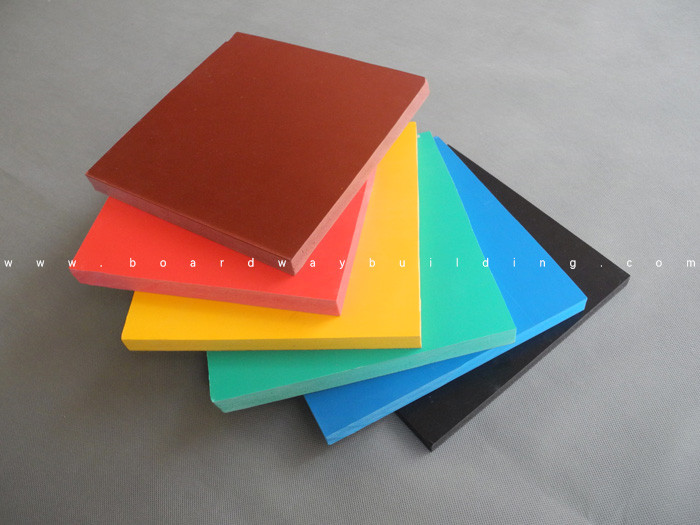
PVC Foam Board
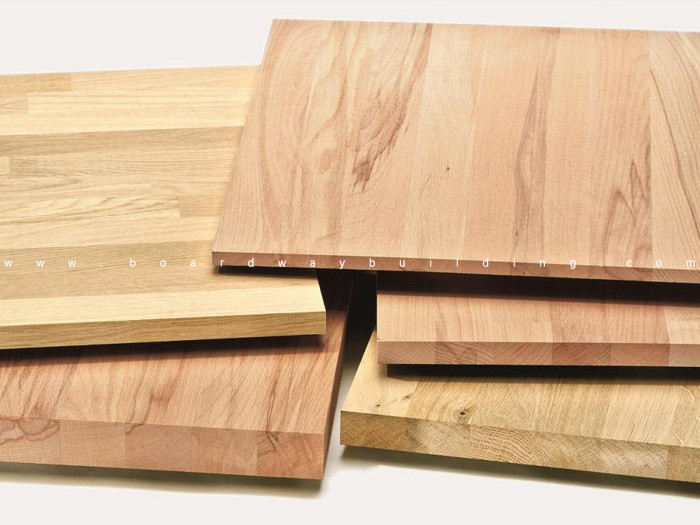
Wood
PVC foam board excels in environments where moisture, durability, low maintenance, and lightweight properties are key.
Wood remains advantageous in applications requiring natural beauty, structural strength, or temperature resistance.
Conclusion
Can PVC foam board fully replace wood?
The answer is: it depends.
If you need a waterproof, durable, low-maintenance, and cost-effective material, PVC foam board is an excellent choice. But if your application demands high structural strength, natural wood texture, or heat resistance, traditional wood or engineered wood may still be more appropriate.
At Boardway, we believe in recommending the right material — not simply replacing one with another. With years of manufacturing experience and deep knowledge of PVC foam boards and wood alternatives, we can help you choose the best solution for your unique application.
- Want to learn more about PVC foam boards? Visit our PVC Foam Board main page.
- READ MORE