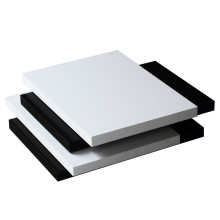
What to Consider When Sourcing PVC Trim Boards from a Manufacturer
Sourcing PVC trim boards for wholesale distribution, construction supply, or building material projects involves more than comparing prices. The right manufacturing partner should be able to provide suitable product specifications, consistent quality, reliable production, and the flexibility to meet your market requirements.
For importers, distributors, and building material suppliers, understanding what to evaluate before placing an order can help reduce sourcing risks and establish a more efficient long-term supply relationship.
Whether you need standard PVC trim boards or custom PVC trim mouldings, here are the key factors to consider when choosing a manufacturer.
1. Confirm the Product Specifications You Need
Before contacting a PVC trim board manufacturer, prepare a clear description of the products you want to source. Specific requirements help manufacturers assess production feasibility and provide more accurate quotations.
Dimensions, Thicknesses, and Lengths
Start by confirming the required width, thickness, and length of each product. If your business serves multiple customer segments, you may need several size options to accommodate different applications and purchasing preferences.
Ask the manufacturer which dimensions are available as standard products and which require custom production. It is also important to clarify dimensional tolerances, particularly when the boards need to meet specific project requirements or fit existing product designs.
Providing a specification sheet or technical drawing is generally more effective than relying on product names alone.
Trim Profiles and Cross-Section Designs
PVC trim products are available in different shapes and cross-sectional designs. Depending on the product range, these may include flat trim boards and mouldings with decorative or functional profiles.
When sourcing a specific profile, share a dimensioned drawing, a physical sample, or clear reference images. These materials help the manufacturer understand the required shape and dimensions.
For custom profiles, confirm whether existing tooling can be used or whether new tooling needs to be developed. Tooling requirements may affect initial costs, minimum order quantities, and production schedules.
Material and Product Type
Make sure you are comparing equivalent products. PVC trim boards and PVC trim mouldings may differ in shape, dimensions, and intended use, even when they belong to the same general product category.
Ask the manufacturer to confirm the product type, available specifications, and relevant material characteristics. If your project has specific performance requirements, communicate them before requesting a quotation rather than assuming that every PVC trim product offers the same properties.
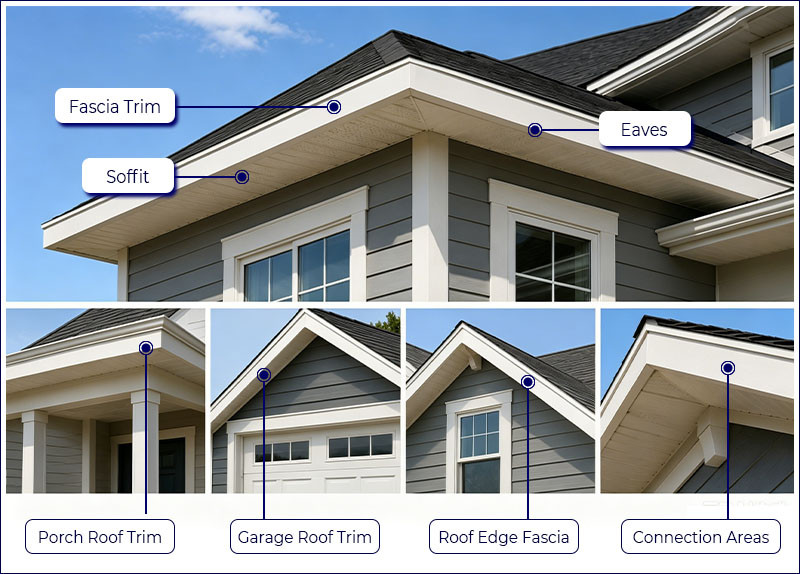
2. Evaluate Surface Finishes and Appearance Options
Appearance can be an important purchasing factor, particularly for trim products used in visible areas of residential, commercial, and exterior building projects.
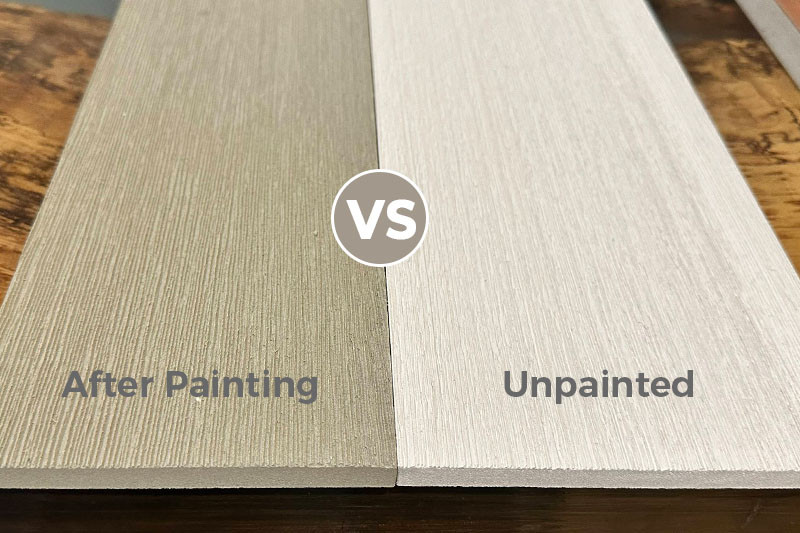
Surface Finish and Texture
Depending on the manufacturer's product range, PVC trim products may be available with smooth surfaces or selected textured finishes.
Consider which appearance best suits your customers and target market. If the product needs to match an existing design or other building materials, request samples to evaluate the surface appearance before placing a bulk order.
For custom requirements, confirm which finishes can be supplied for the specific profile and dimensions you need.
Color and Batch Consistency
If color is important to your product range, confirm the available colors and whether custom color requirements can be discussed.
For repeat orders, ask how color and appearance are checked against previously approved samples or specifications. Establishing a clear reference before production can make it easier to evaluate subsequent batches.
If your business distributes products under its own brand, consistent appearance across different orders may also help maintain a uniform product offering.

3. Check Quality Control and Product Consistency
Product quality should be evaluated against clear requirements rather than broad descriptions such as "premium quality" or "high-grade material."
Before placing an order, identify the characteristics that matter most to your business and ask the manufacturer how they are checked.
Dimensional accuracy: Confirm that the finished products meet the agreed width, thickness, length, and dimensional tolerances.
Surface quality: Clarify the acceptance criteria for visible defects, such as scratches, dents, or other surface imperfections that may affect the product's appearance.
Profile accuracy: For mouldings and custom trim products, check that the cross-section matches the approved drawing or sample.
Batch consistency: Discuss how the manufacturer manages product consistency across production batches, particularly for recurring orders.
Inspection and documentation: Ask what quality inspection procedures and product records are available for your order. If your project requires specific test reports or quality documents, confirm their availability before committing to the purchase.
It is also useful to establish an agreed reference sample or approved specification before mass production. This gives both parties a clearer basis for checking the finished products and resolving potential quality disagreements.
The exact inspection criteria should reflect the product specifications and the buyer's requirements rather than relying on assumptions about what every manufacturer provides.
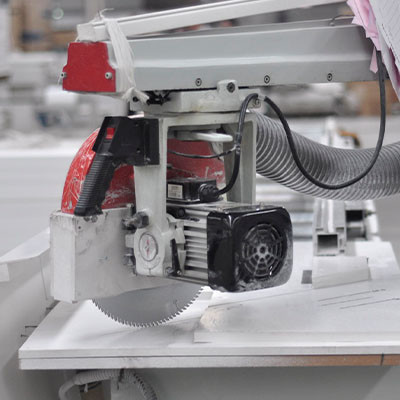
45-degree miter saw
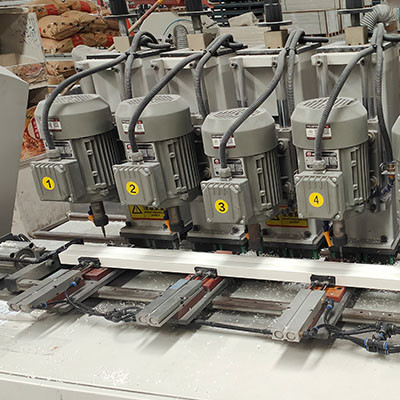
Drilling machine
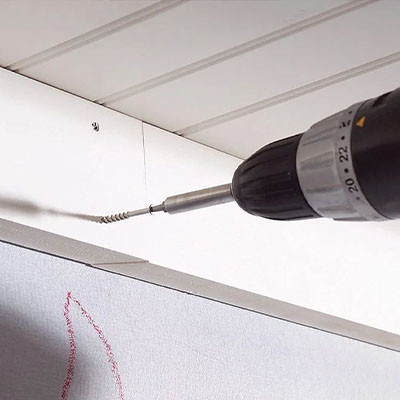
Screw fastening
4. Understand Customization and OEM Capabilities
Not every buyer needs the same dimensions, profiles, or packaging. If you are developing your own product range or serving customers with specialized requirements, customization can be an important factor when choosing a PVC trim board manufacturer.
Custom Dimensions and Profiles
Ask whether the manufacturer can produce non-standard sizes or cross-sectional designs.
For custom profiles, provide dimensioned drawings or physical samples wherever possible. The manufacturer can then assess whether the requested design is feasible and whether new tooling is required.
Before approving custom production, clarify:
Not every custom request will be suitable for every production setup, so technical confirmation should come before finalizing the order.
OEM and Private-Label Requirements
For importers and distributors selling under their own brands, packaging and product identification may be as important as the product itself.
If you require OEM or private-label support, discuss your requirements early. These may include packaging specifications, labels, product identification, and carton markings.
Confirm which options the manufacturer can accommodate, along with any minimum quantities or additional costs. Providing artwork and packaging instructions before production can help avoid unnecessary revisions.
Request Samples Before Bulk Production
Samples are particularly valuable when ordering a new profile, surface finish, color, or custom specification.
Use the sample to verify the product's dimensions, appearance, and suitability for your intended application. For customized products, make sure the approved sample or drawing is clearly identified and retained as a reference for the production order.
Sample approval does not replace agreed quality requirements, but it helps establish a common understanding of the product before larger quantities are manufactured.
5. Compare Pricing Beyond the Unit Cost
Price is an important part of sourcing, but quotations are only comparable when the product specifications and order conditions are aligned.
When requesting quotes from different manufacturers, provide the same information to each supplier, including dimensions, profile, surface finish, color, quantity, and packaging requirements.
A lower unit price may not represent the better purchasing option if the quotation covers a different specification or excludes costs that appear elsewhere in the order.
Review the following items before making a decision:
For international buyers, packaging and shipping should also be considered when comparing the total cost of procurement.
A clear, itemized quotation makes it easier to compare suppliers on an equivalent basis and identify the factors that will influence the final purchasing cost.
6. Review Production Capacity and Delivery Requirements
For wholesale and project-based purchasing, the manufacturer's ability to fulfill the required order quantity is an important consideration.
Start by confirming whether the supplier can produce your required specifications and quantities. If you plan to place repeat orders, discuss how production scheduling and product specifications will be managed over time.
Lead times may vary depending on whether the products are standard items or require custom tooling, sample approval, special colors, or customized packaging. Ask the manufacturer to provide an estimated schedule based on your actual order requirements.
It is also worth clarifying how changes to quantities, specifications, or delivery arrangements are handled after an order has been confirmed.
For ongoing supply relationships, clear communication about forecasts, repeat-order specifications, and delivery expectations can help both parties plan production more effectively.
Rather than relying on general claims about production capacity, ask for information relevant to your specific products and order volume.
7. Choose a Manufacturer That Understands Your Market Requirements
A suitable supplier should understand the product requirements you communicate and be able to confirm whether its products and production arrangements match those needs.
Before placing an order, consider whether the manufacturer can support your target market in the following areas:
Product range: Does the available range cover the profiles, dimensions, and finishes you need?
Specification communication: Can the manufacturer review your drawings, samples, and technical requirements clearly?
Customization: Can it assess requests for non-standard dimensions, custom profiles, or OEM packaging?
Quality requirements: Can it explain its inspection process and confirm the quality criteria agreed for your order?
Export coordination: Can the supplier communicate clearly about packaging, order documentation, lead times, and shipping arrangements relevant to your purchase?
For distributors and importers, a manufacturer that can communicate product details accurately and manage specifications clearly can make sourcing and repeat ordering more straightforward.
The best fit is not necessarily the supplier with the largest product catalog. It is the one whose capabilities, product range, and working arrangements match your actual purchasing requirements.
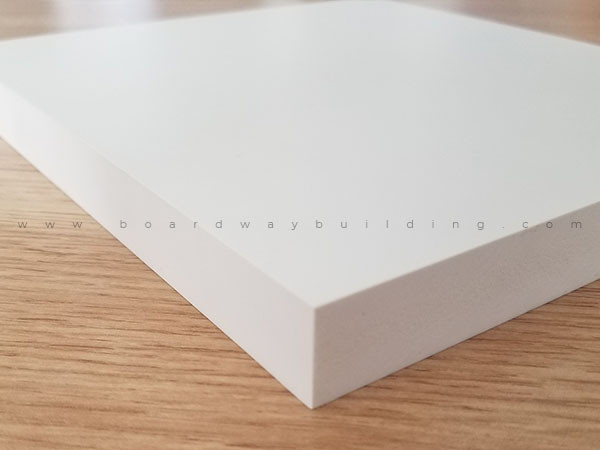
Cellular PVC Fascia Board
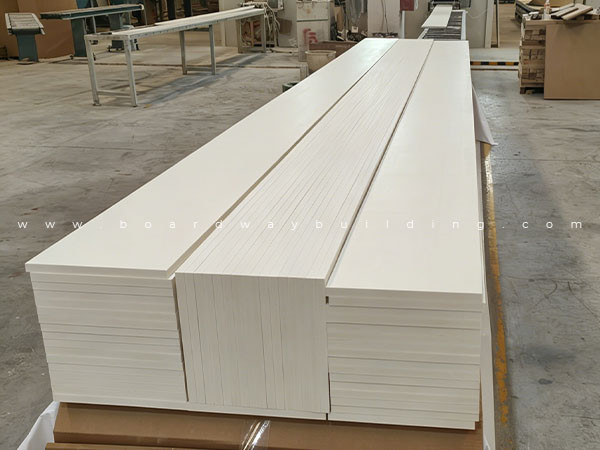
PVC Fascia Board Manufacturer
8. Questions to Ask a PVC Trim Board Manufacturer Before Ordering
Before requesting a quotation, prepare a list of questions to make supplier evaluation more efficient.
1. What PVC trim board and moulding profiles do you currently offer?
2. Which widths, thicknesses, lengths, and surface finishes are available?
3. Can you manufacture custom dimensions or cross-sectional designs?
4. Are samples available for evaluation before bulk production?
5. What are the MOQ, tooling costs, and estimated lead times for standard and custom products?
6. How do you check product dimensions, surface quality, and batch consistency?
7. Can you accommodate OEM packaging, private labels, or custom carton markings?
8. What information do you need to prepare an accurate quotation?
You do not need to ask every question separately if the manufacturer already provides the relevant information in its product catalog or quotation. The objective is to identify any important gaps before confirming the order.
Providing a clear product specification, estimated quantity, destination market, and packaging requirements from the beginning will generally make the quotation process more efficient.
9. Work with a PVC Trim Board Manufacturer That Fits Your Requirements
Finding the right PVC trim board manufacturer starts with understanding your own product and purchasing requirements. Clear specifications, suitable surface options, defined quality criteria, and realistic delivery expectations all contribute to a more effective sourcing process.
For buyers who need multiple trim profiles or customized product specifications, it is especially important to work with a manufacturer that can review drawings, discuss production feasibility, and confirm the details before mass production.
At Boardway, we supply PVC trim boards and mouldings for B2B customers seeking building material products for their markets and projects. Our product range includes more than 80 trim profiles, with different profile designs and dimensional options available. Specific requirements should be confirmed with our team according to the product and order.
Whether you are sourcing standard PVC trim products or exploring customized profile options, sharing your required dimensions, drawings, estimated order quantity, and surface preferences will help us understand your needs.
Contact Boardway to discuss your PVC trim board requirements and request a quotation.
Related Products
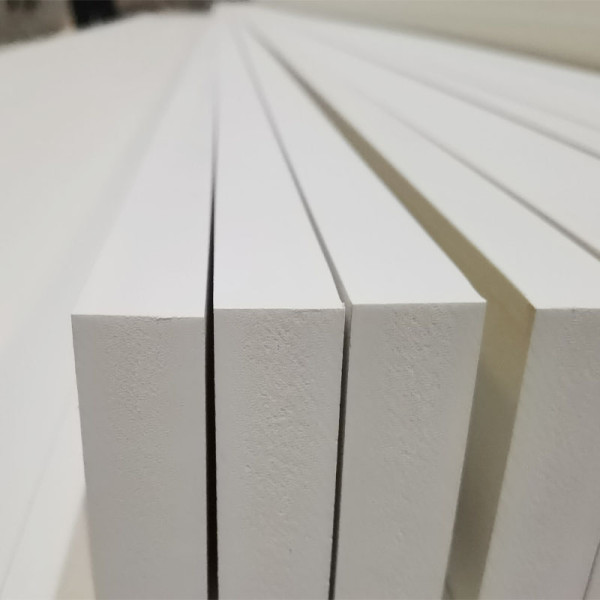
Durable cellular PVC Fascia Board for exterior roofline applications. Moisture resistant, low maintenance, OEM sizes available.
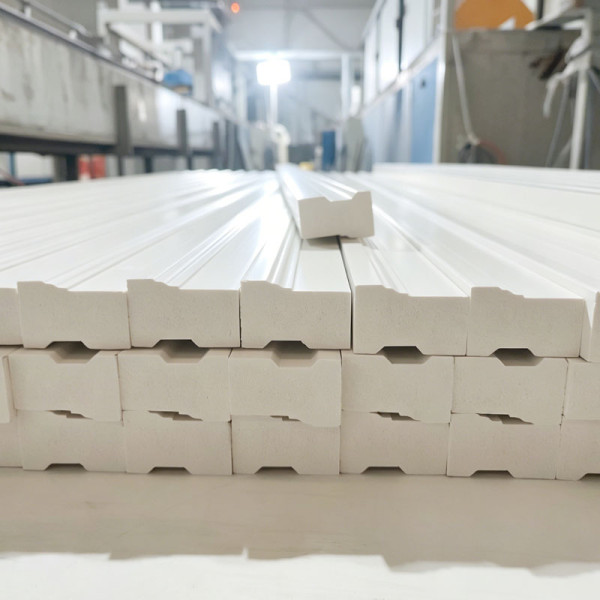
Boardway manufactures decorative cellular PVC Moulding for crown moulding, baseboard, door casing, and decorative trim projects.
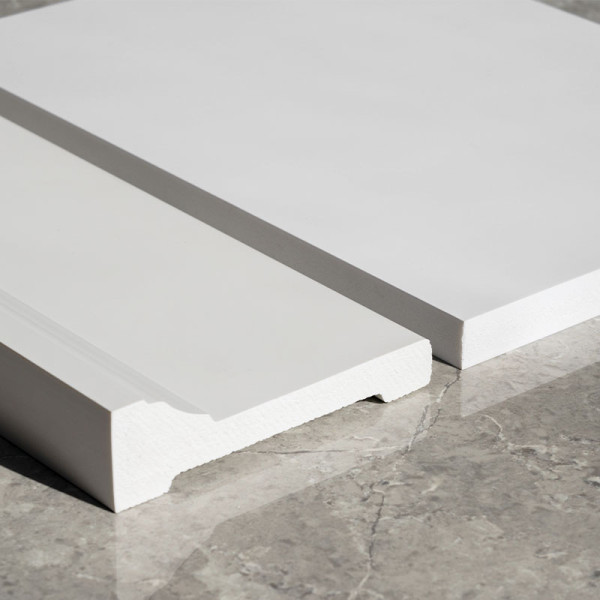
Complete PVC Trim Board & Moulding solutions for exterior and interior architectural applications with OEM customization support.
- Want to learn more about Cellular PVC Trim Boards? Visit our product main page.
- READ MORE