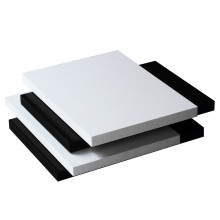
How to Use PVC Foam Board for Kitchen Cabinets: Step-by-Step Guide
Why PVC Foam Board Is Ideal for Kitchen Cabinets
When it comes to modern kitchen design, selecting the right material for cabinets is essential. PVC foam board has rapidly gained popularity among homeowners, designers, and contractors due to its unique combination of durability, versatility, and affordability. Unlike traditional materials such as wood, MDF, or plywood, PVC foam board offers a lightweight structure that is resistant to water, termites, and everyday wear and tear.
Its smooth surface makes it ideal for painting, laminating, or applying decorative finishes, allowing kitchen cabinets to look both stylish and long-lasting. In this guide, we will walk you through a step-by-step process to plan, cut, assemble, and install kitchen cabinets using PVC foam board. Whether you are a DIY enthusiast or a professional installer, following these steps ensures high-quality, durable results.
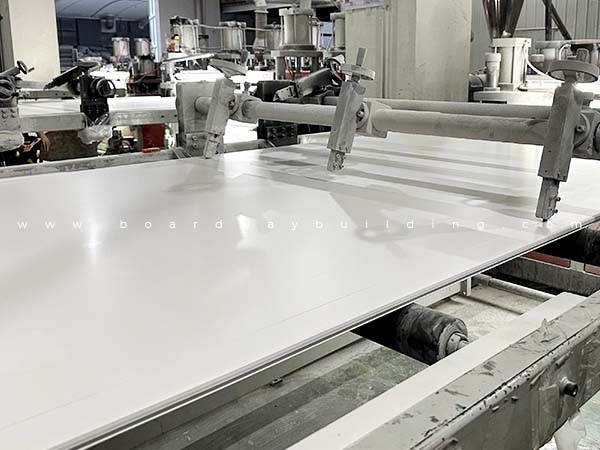
PVC Foam Board Production
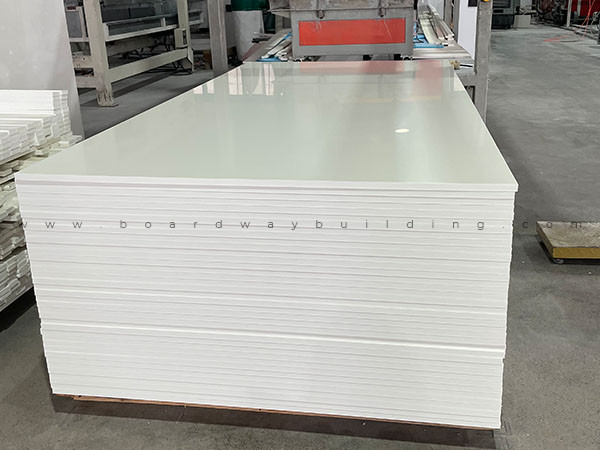
18mm PVC Foam Board
Tools and Materials Needed
Before starting your project, it's essential to gather all the necessary materials and tools. Proper preparation ensures accuracy, safety, and a smooth workflow.
Materials:
Tools:
Having all these items ready before you start ensures the work progresses smoothly without delays.
Step 1 – Planning and Measuring Your Kitchen Cabinets
Planning is the foundation of any successful cabinet project. Start by measuring the kitchen space carefully. Consider the length, height, and depth of your cabinets, as well as the space needed for appliances, plumbing, and electrical fixtures.
Create a simple layout or drawing that includes dimensions for each cabinet, shelf, and drawer. Planning helps determine how many PVC foam board sheets you will need and how to minimize waste during cutting. Be sure to account for a 5mm–10mm margin for cutting and fitting adjustments.
At this stage, also consider design aspects such as door styles, drawer configurations, and whether the cabinets will be wall-mounted or floor-standing. Accurate planning reduces mistakes and ensures a professional-looking final result.
Step 2 – Cutting the PVC Foam Board
Once measurements are finalized, you can start cutting the PVC foam board sheets. Precision is critical, as uneven cuts can compromise the cabinet’s assembly and overall appearance.
Tips for Cutting:
After cutting, inspect each panel for smoothness and straight edges. Sand rough edges lightly with a sanding block to ensure a clean finish. A well-cut board is essential for accurate assembly and a professional look.
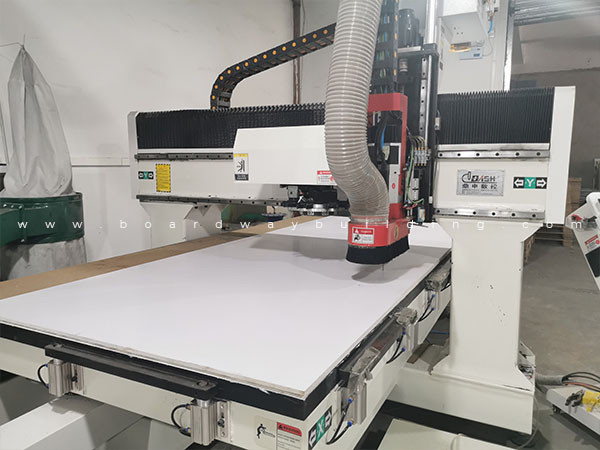
PVC Foam Board CNC Cutting
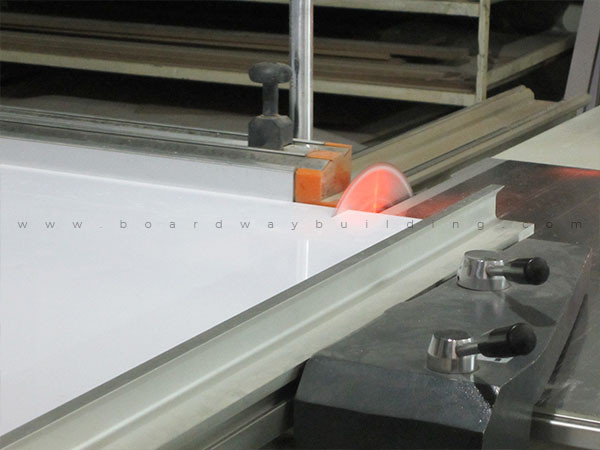
PVC Foam Board Sawing
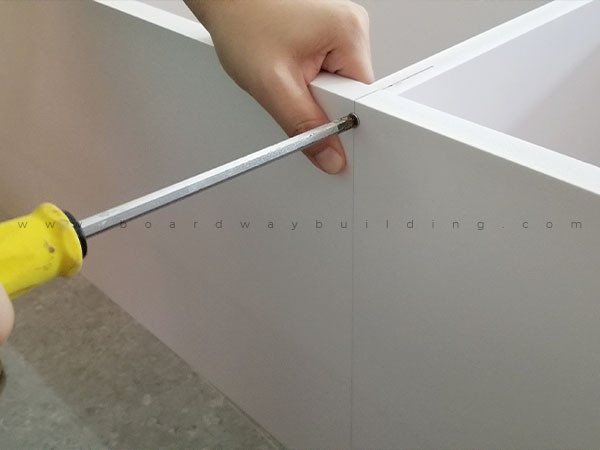
PVC Foam Board Screwing
Step 3 – Assembling the Cabinet Panels
With panels cut to size, you can start assembling the cabinet. This step involves joining panels, reinforcing edges, and ensuring structural stability.
Joining Panels with Screws:
Using Adhesives:
Reinforcing Corners and Edges:
Assembly should be done on a flat surface to maintain perfect alignment. Check each panel for squareness using a ruler or square tool before final fixation.
Step 4 – Finishing the Surface
The finishing step determines the final look and feel of your PVC foam board cabinets.
Sanding:
Optional Finishes:
The goal is to ensure the surface is smooth, attractive, and resistant to moisture. A good finish not only improves aesthetics but also prolongs cabinet life.
Step 5 – Installing the Cabinets
After assembly and finishing, it's time to install the cabinets in your kitchen.
Wall Cabinets:
Floor Cabinets:
After installation, check that doors and drawers open smoothly, and make adjustments if needed. Attach handles, hinges, or drawer slides as the final step.

PVC Foam Board for Furniture
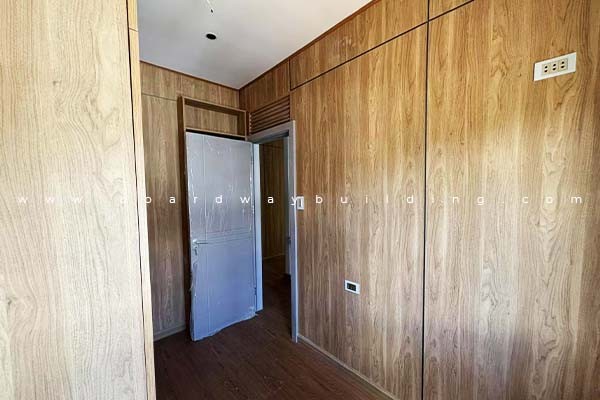
PVC Wall Cabinets
Maintenance Tips for PVC Foam Board Cabinets
Proper maintenance ensures that PVC foam board cabinets remain durable and attractive for years.
1. Cleaning: Wipe surfaces with a soft cloth and mild detergent. Avoid abrasive cleaners that may scratch the surface.
2. Prevent Heat Damage: PVC is heat-resistant, but prolonged exposure to high temperatures can cause warping. Keep appliances at a safe distance.
3. Check Fasteners: Periodically check screws and trims to maintain structural integrity.
4. Avoid Excess Moisture: Although PVC boards are waterproof, prolonged standing water should be avoided to prevent mold on surrounding areas.
Regular maintenance keeps cabinets looking new and extends their lifespan.
Conclusion
PVC foam board offers a practical, durable, and aesthetically versatile solution for kitchen cabinets. Lightweight, waterproof, and termite-resistant, it is ideal for modern kitchens where functionality and style go hand in hand.
By following this step-by-step guide, you can plan, cut, assemble, finish, and install your kitchen cabinets with confidence. Whether you are a DIY enthusiast or a professional installer, PVC foam board allows you to achieve high-quality, long-lasting results at an affordable cost.
For homeowners seeking custom designs, reliable performance, and low-maintenance cabinets, PVC foam board is a material that checks all the boxes. Start your kitchen renovation today and experience the convenience and durability that PVC foam board cabinets provide.
FAQ – PVC Foam Board for Kitchen Cabinets
Q1: Is PVC foam board suitable for kitchen cabinets?
A: Yes, PVC foam board is an excellent choice for kitchen cabinets. It is lightweight, waterproof, termite-proof, and highly durable. Its smooth surface allows for easy painting, laminating, or applying decorative finishes, making it ideal for both modern and traditional kitchen designs.
Q2: What thickness of PVC foam board is recommended for kitchen cabinets?
A: For most kitchen cabinets, a thickness of 12mm to 18mm is recommended. Thicker boards (18mm) are ideal for heavy-duty cabinets or larger spans, while 12mm boards are sufficient for standard wall cabinets or drawer fronts.
Q3: How do I cut PVC foam board without chipping or cracking?
A: To cut PVC foam board cleanly:
1. Use a fine-tooth saw, circular saw, or CNC router.
2. Secure the board with clamps to prevent movement.
3. Pre-mark your cutting lines and measure twice.
4. Sand edges lightly after cutting for a smooth finish.
Q4: Can PVC foam board cabinets be installed by DIYers?
A: Absolutely. With proper measuring, cutting, and assembly, PVC foam board cabinets can be installed by DIY enthusiasts. Using clamps, screws, and adhesive as described in this guide ensures a sturdy and professional-looking result.
Q5: How do I maintain PVC foam board kitchen cabinets?
A: Maintenance is simple:
Wipe regularly with a soft cloth and mild detergent.
Avoid abrasive cleaners and excessive heat exposure.
Check screws and edge trims periodically.
Although waterproof, avoid prolonged standing water on surrounding surfaces.
- Want to learn more about PVC foam boards? Visit our PVC Foam Board main page.
- READ MORE