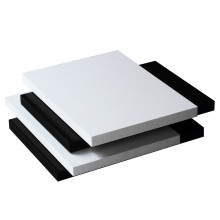
Why PVC Foam Board Is the Best Material for Kitchen Cabinets in 2026
Introduction
In modern kitchen design, choosing the right material for cabinets is more critical than ever. Homeowners and designers alike are looking for materials that combine durability, functionality, and aesthetic appeal. Traditionally, wood, plywood, and MDF have dominated the kitchen cabinet market, but in recent years, PVC foam board has emerged as a superior alternative.
PVC foam board, known for its lightweight structure, waterproof properties, and high durability, is becoming the material of choice for both residential and commercial kitchens. In this article, we will explore why PVC foam board is the best material for kitchen cabinets in 2026, examining its advantages, comparisons with other materials, applications, and future trends.
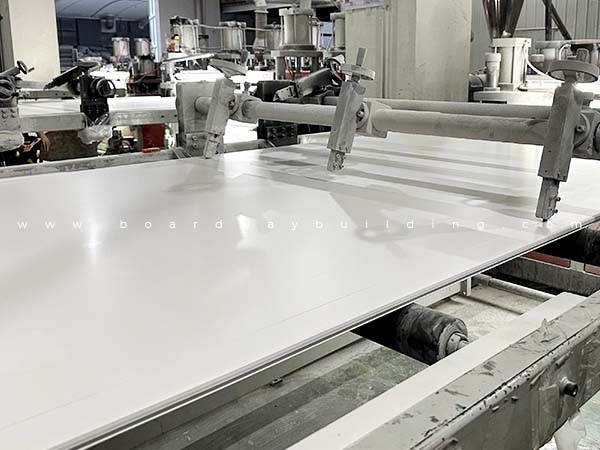
PVC Foam Board Production
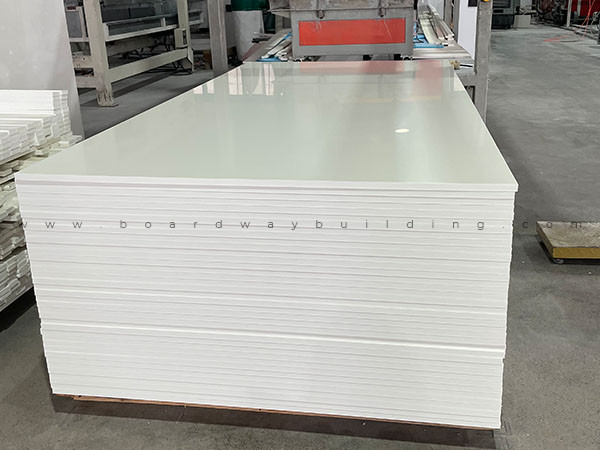
18mm PVC Foam Board
What Is PVC Foam Board?
PVC foam board, also called PVC cellular board, is a thermoplastic sheet made from polyvinyl chloride. During production, chemical foaming agents create a uniform closed-cell structure, giving the board a lightweight yet rigid composition. Unlike solid PVC sheets, foam boards have a cellular core, making them easy to cut, shape, and install without compromising strength.
Key characteristics of PVC foam board include:
Smooth and Matte Surface: The surface is naturally smooth and can be painted, laminated, or coated with decorative finishes. Lightweight Structure: Easier to handle than traditional wood panels, reducing transportation and installation challenges. Consistent Thickness: Unlike natural wood, PVC foam boards do not warp or swell, ensuring precise cabinet dimensions.
This unique combination of features makes PVC foam board ideal for kitchen cabinets, where exposure to moisture, heat, and daily wear is inevitable.
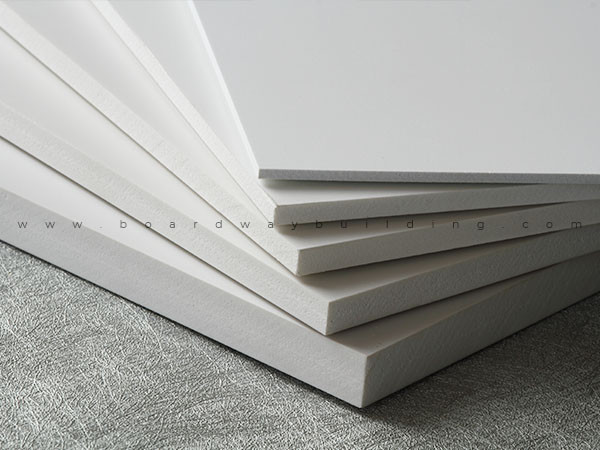
PVC Foam Board Different Thicknesses
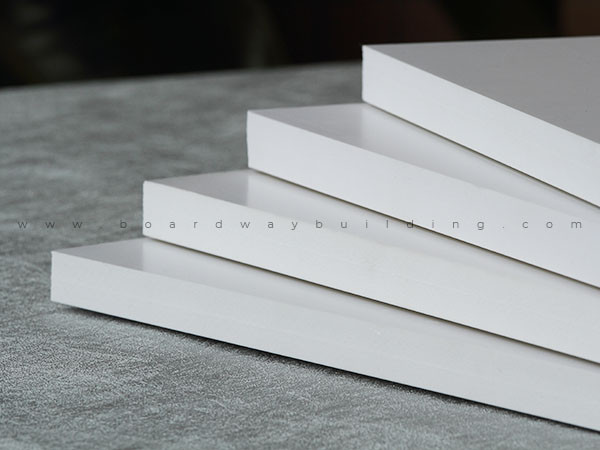
Lightweight Structure
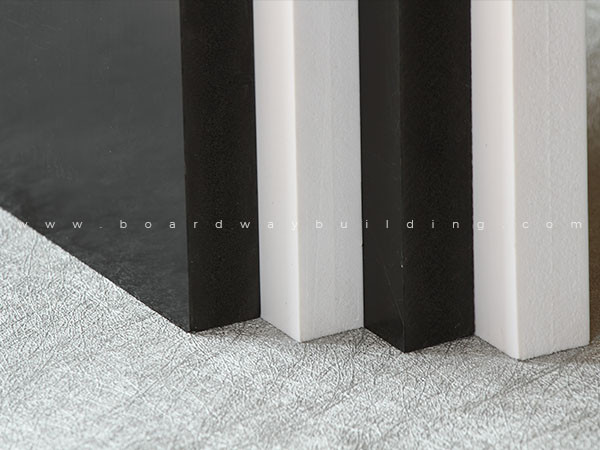
Smooth Surface
Key Advantages of PVC Foam Board for Kitchen Cabinets
Waterproof and Moisture-Resistant
One of the most important requirements for kitchen cabinet materials is resistance to water and humidity. Traditional wood and MDF are prone to swelling, warping, and mold growth when exposed to moisture. PVC foam board, however, is inherently waterproof due to its closed-cell structure.
Even in areas around sinks or dishwashers, PVC cabinets maintain their shape and appearance. This makes them a reliable option for kitchens in humid climates or households with heavy cooking activity. Furthermore, the waterproof nature reduces long-term maintenance costs, as cabinets do not require frequent repairs or replacements due to water damage.
Termite and Pest Resistant
Wooden cabinets are highly susceptible to termite and pest infestations, especially in tropical and subtropical regions. In contrast, PVC foam board is entirely synthetic, which makes it naturally resistant to insects, pests, and fungal attacks.
For homeowners, this translates into long-lasting kitchen cabinets without the need for chemical treatments or additional pest-proofing. This feature alone is a significant advantage over traditional wood or MDF cabinets, where pest control is an ongoing concern.
Lightweight and Easy to Handle
The lightweight structure of PVC foam board is another major benefit for kitchen cabinet applications. A single board weighs significantly less than a similar-size plywood or MDF panel, making it easier to transport, cut, and install.
This is especially beneficial for larger kitchen layouts or multi-story homes where transporting heavy panels can be labor-intensive and time-consuming. Moreover, the lightweight nature does not compromise strength; PVC foam boards are strong enough to support kitchen cabinet doors, drawers, and shelving.
Durable and Long-Lasting
Durability is a non-negotiable factor for kitchen cabinet materials. PVC foam board is highly resistant to scratches, dents, and impact, making it suitable for daily kitchen use. Unlike MDF or particle board, it does not absorb moisture and thus avoids warping or deterioration over time.
Additionally, PVC foam boards are chemically stable, meaning they will not degrade or discolor even after prolonged exposure to kitchen cleaning chemicals. This ensures that cabinets retain their aesthetic appeal and structural integrity for many years.
Low Maintenance and Easy to Clean
Kitchen cabinets are prone to stains from oil, food splatters, and dust accumulation. PVC foam board surfaces are non-porous, allowing for effortless cleaning with a simple damp cloth and mild detergent.
Unlike wood, there is no need for varnishing or periodic refinishing, which saves time and maintenance costs. The smooth surface also resists dirt accumulation, making PVC cabinets more hygienic — a crucial factor for modern kitchens.
PVC Foam Board vs Other Materials
When selecting kitchen cabinet materials, homeowners often consider plywood, MDF, particle board, and solid wood. Here’s how PVC foam board compares:
| Feature | PVC Foam Board | MDF | Plywood | Solid Wood |
Waterproof | Excellent | Poor | Moderate | Moderate |
Termite Resistant | Yes | No | Limited | Limited |
Weight | Lightweight | Heavy | Heavy | Heavy |
Durability | High | Medium | Medium | High |
| Maintenance | Easy | Frequent | Moderate | Frequent |
| Design Flexibility | High | Medium | Medium | Medium |
| Cost | Affordable | Affordable | Higher | Expensive |
From the table, it's clear that PVC foam board provides the optimal balance of durability, maintenance ease, and cost-effectiveness, particularly for kitchens exposed to moisture and heavy use.
Applications in Modern Kitchen Cabinets
PVC foam boards can be used in almost every part of a kitchen cabinet:
1. Cabinet Doors: The smooth, paintable surface allows for modern designs, including high-gloss or matte finishes.
2. Side Panels and Bottoms: Lightweight yet sturdy panels maintain cabinet shape over time.
3. Drawer Fronts and Shelves: Durable enough to handle weight and daily operation.
4. Decorative Laminates: PVC foam boards can be laminated or printed with wood grain, marble, or other decorative finishes, combining aesthetics with performance.
The versatility of PVC foam board ensures design flexibility, making it suitable for both traditional and contemporary kitchens. With increasing trends toward minimalist and modern kitchen designs, PVC foam board allows designers to create sleek, seamless cabinets without compromising durability.
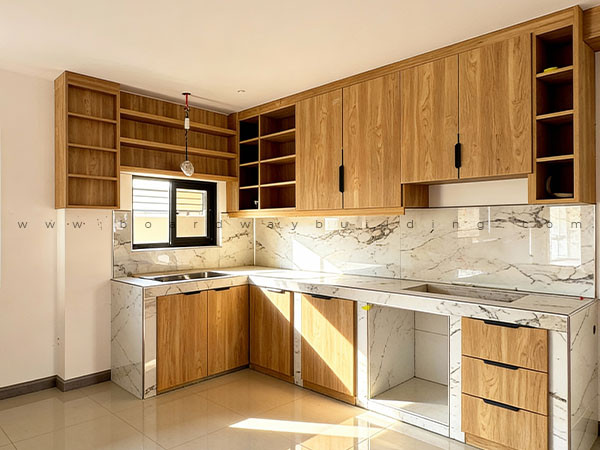
PVC Foam Board for Cabinet Doors
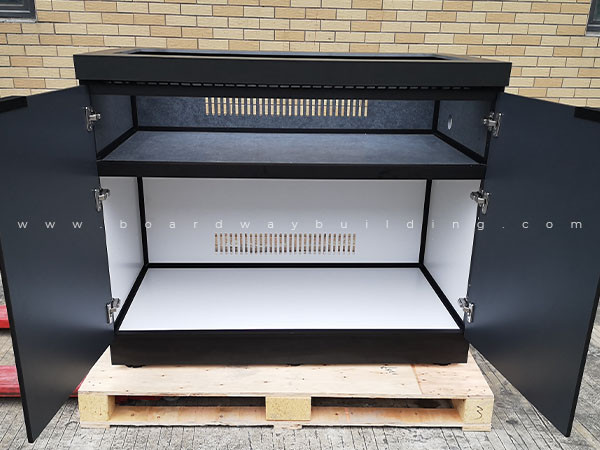
PVC Foam Board for Side Panels
Why Choose PVC Foam Board in 2026
As we enter 2026, homeowners and kitchen designers are looking for materials that meet both functional and aesthetic demands. PVC foam board fits this need perfectly:
Modern Kitchens Require Waterproof Materials: With open kitchens and smart appliances, exposure to water and steam is unavoidable. PVC boards provide reliable performance in all kitchen conditions. Sustainable and Cost-Effective Choice: PVC foam boards are recyclable and avoid the environmental impact of cutting down trees for solid wood. They are also more affordable than high-quality plywood or solid wood. Ease of Customization: PVC foam boards can be cut, shaped, and finished in various ways to match design trends, from minimalistic flat panels to decorative laminated surfaces. Long-Term Investment: Minimal maintenance, pest resistance, and durability make PVC foam board cabinets a smart long-term investment, reducing replacement and repair costs.
Overall, the combination of performance, aesthetics, and cost-efficiency makes PVC foam board the ideal material for kitchens in 2026.
Conclusion
In conclusion, PVC foam board is transforming the kitchen cabinet industry. It offers unmatched advantages over traditional materials, including waterproofing, pest resistance, lightweight handling, durability, and low maintenance.
Whether you are designing a small home kitchen or a commercial kitchen space, PVC foam board provides a practical, stylish, and long-lasting solution. As modern kitchens demand materials that can withstand moisture, heat, and daily wear while maintaining a clean, attractive appearance, PVC foam board stands out as the clear choice for 2026 and beyond.
If you are planning to upgrade or install new kitchen cabinets, consider PVC foam board to ensure your cabinets remain beautiful, functional, and durable for years to come.
FAQ: PVC Foam Board for Kitchen Cabinets
Q1: Is PVC foam board waterproof for kitchen cabinets?
A: Yes. PVC foam board is inherently waterproof due to its closed-cell structure, making it resistant to moisture, spills, and humidity. This ensures kitchen cabinets maintain their shape and appearance over time, even in wet environments.
Q2: Can PVC foam board withstand heat in the kitchen?
A: Absolutely. PVC foam board is heat-resistant to typical kitchen temperatures and can handle occasional exposure to hot appliances. It does not warp or deform easily, unlike some wood or MDF panels.
Q3: How durable is PVC foam board compared to wood or MDF?
A: PVC foam board is highly durable, scratch-resistant, and impact-resistant. Unlike wood or MDF, it is resistant to termites, moisture, and chemical cleaners, making it a long-lasting choice for kitchen cabinets.
Q4: Can I paint or laminate PVC foam board kitchen cabinets?
A: Yes. The smooth surface of PVC foam board allows for painting, laminating, or applying decorative finishes. You can customize your cabinets with various colors, textures, or wood-grain patterns to match any kitchen style.
Q5: Is PVC foam board easy to install for cabinets?
A: Yes. PVC foam board is lightweight and easy to cut, shape, and assemble, making installation faster and simpler compared to heavier materials like plywood or solid wood. It is suitable for both DIY projects and professional kitchen installations.
Q6: Is PVC foam board an eco-friendly choice?
A: Yes. PVC foam board is recyclable and helps reduce the reliance on natural wood, making it a sustainable alternative for modern kitchen cabinets without compromising performance or aesthetics.
- Want to learn more about PVC foam boards? Visit our PVC Foam Board main page.
- READ MORE