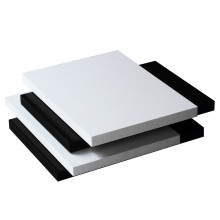
PVC Foam Board for Signage: Benefits, Printing Methods, and Applications
Introduction
In the advertising and display industry, choosing the right material for signage is essential. Sign boards must be lightweight, durable, easy to print, and cost-effective. Among the many materials available today, PVC foam board has become one of the most widely used options for signage and display applications.
Thanks to its smooth surface, lightweight structure, and excellent printability, PVC foam board is commonly used for retail displays, exhibition panels, promotional signs, and indoor advertising boards. It provides a reliable solution for businesses that require high-quality visual presentation with easy fabrication and installation.
This article explores the key benefits of PVC foam board for signage, the printing methods compatible with this material, and the most common applications in the advertising industry.
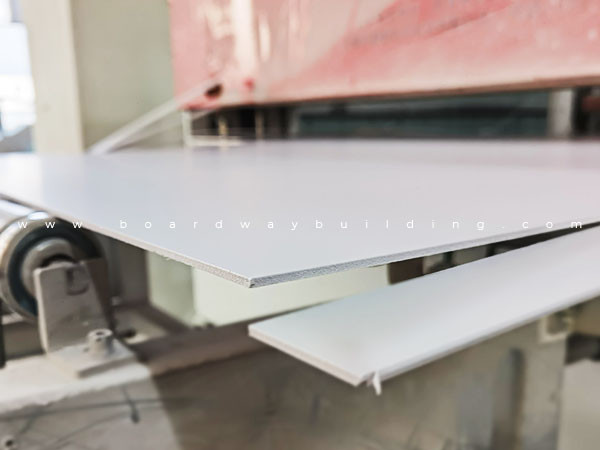
PVC Foam Board Production
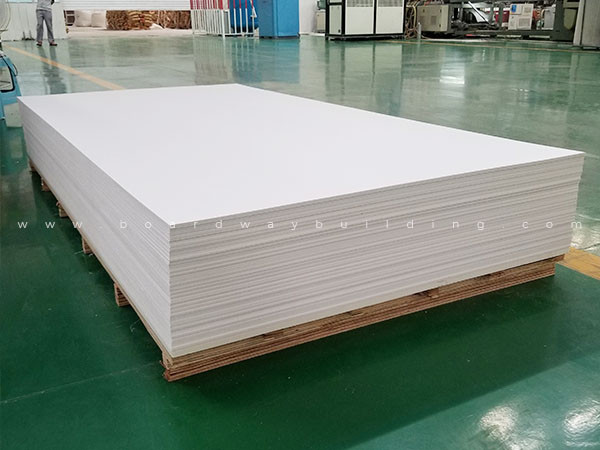
PVC Foam Board for Printing
What Is PVC Foam Board?
PVC foam board is a lightweight rigid plastic sheet made from polyvinyl chloride through a foaming extrusion process. The internal structure contains fine closed cells, which reduce the weight of the material while maintaining good rigidity and strength.
The board typically features a smooth and uniform surface, making it suitable for various printing and graphic applications. It can also be easily cut, drilled, engraved, or laminated, which allows sign makers and display manufacturers to create customized signage products efficiently.
Common thicknesses used for signage include 3 mm, 5 mm, and 10 mm, although other thicknesses are available depending on the structural requirements of the application.
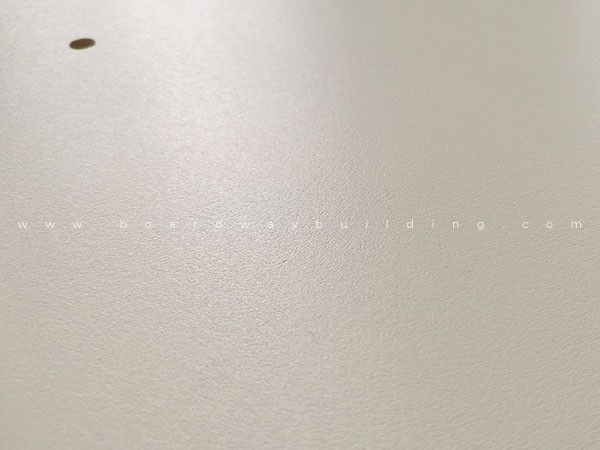
Matte Smooth PVC Foam Board
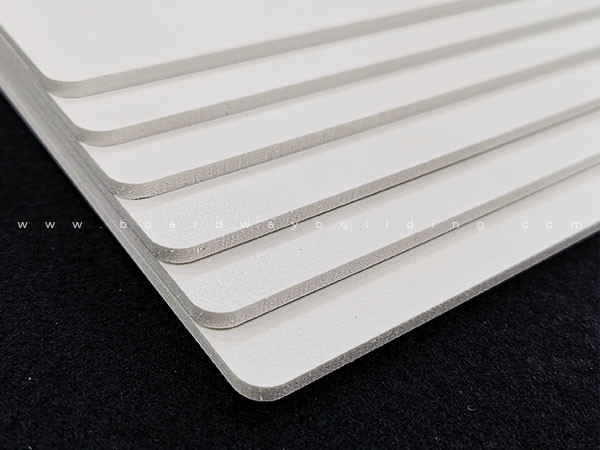
White PVC Foam Board
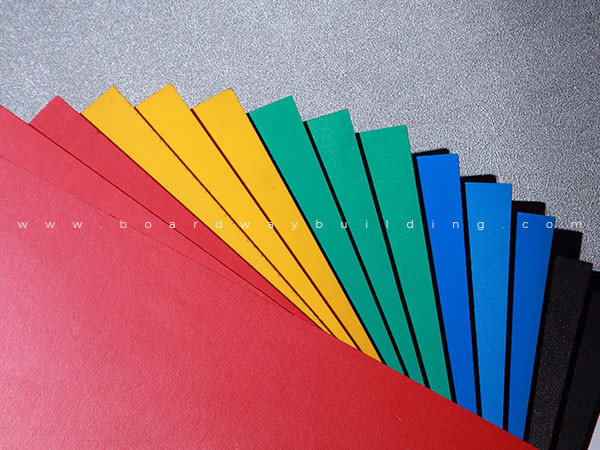
Colored PVC Foam Board
Benefits of PVC Foam Board for Signage
Smooth Surface for High-Quality Printing
One of the biggest advantages of PVC foam board is its smooth and flat surface. This characteristic allows inks and graphics to adhere evenly, producing sharp and vibrant prints.
The material is highly compatible with several printing techniques, including UV printing, screen printing, and digital printing. As a result, it is widely used for advertising panels and display boards that require high visual quality.
Lightweight and Easy to Install
Compared with traditional materials such as wood or metal panels, PVC foam board is significantly lighter. This makes it easier to transport, handle, and install.
For large display boards, exhibition panels, or retail signage, the reduced weight simplifies mounting and installation, saving both time and labor costs.
Durable and Weather Resistant
PVC foam board is resistant to moisture, corrosion, and many environmental factors. Unlike wood-based materials, it does not absorb water or warp easily.
This durability makes it suitable for both indoor and certain outdoor signage applications, especially temporary advertising boards and construction site signs.
Easy Fabrication and Customization
Another key advantage is its excellent workability. PVC foam board can be easily processed using common fabrication techniques such as:
CNC routing cutting and drilling engraving lamination bonding and mounting
This flexibility allows sign manufacturers to produce a wide range of shapes, sizes, and customized display products.
Printing Methods for PVC Foam Board
PVC foam board supports several popular printing technologies used in the signage industry.
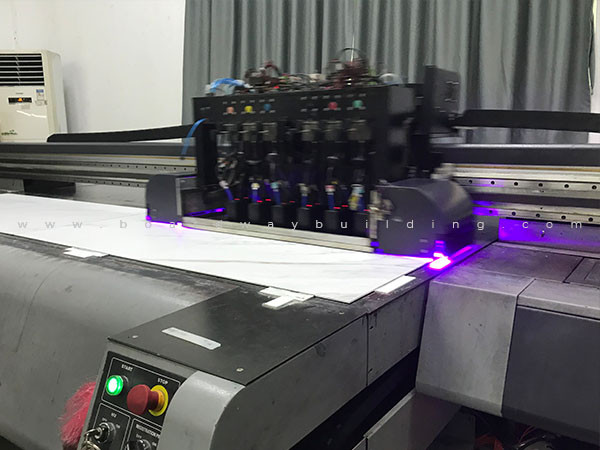
UV Printing
UV printing is one of the most widely used methods for printing on PVC foam boards. The UV ink cures instantly under ultraviolet light, producing vibrant colors and strong adhesion. This method is ideal for high-resolution graphics and photographic images.
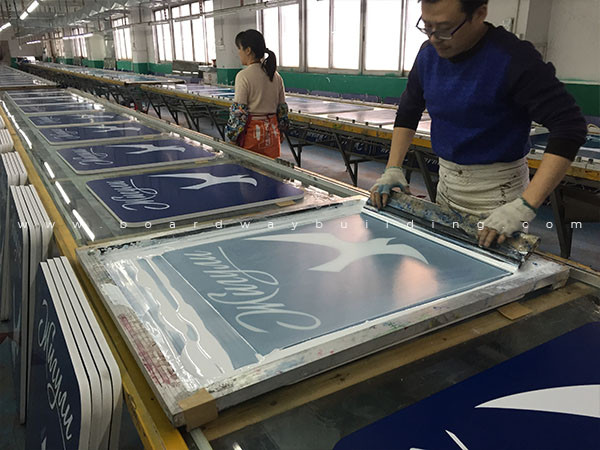
Screen Printing
Screen printing is often used for large production runs where the same design needs to be printed repeatedly. It provides consistent color quality and is widely used for promotional signage and advertising boards.
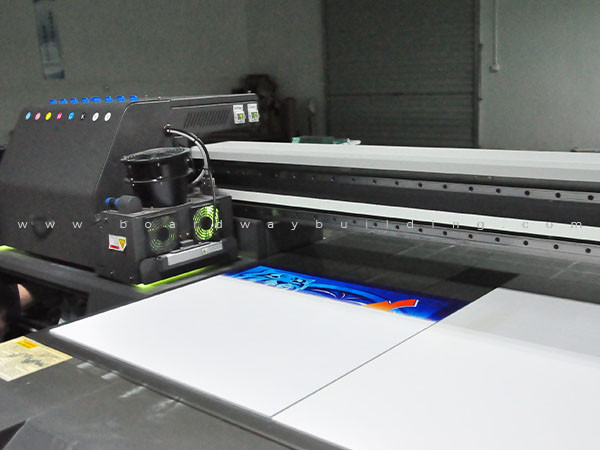
Digital Printing
Digital printing is suitable for short-run production and customized designs. It offers flexibility and quick turnaround, which is useful for event signage or promotional displays.
Vinyl Lamination
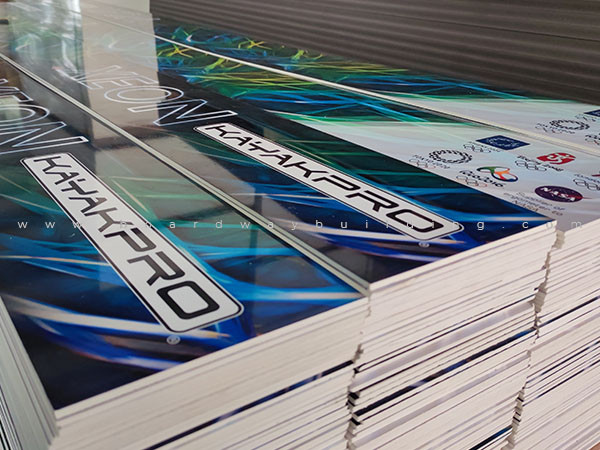
In many signage applications, printed vinyl graphics are laminated onto PVC foam boards. This technique allows designers to apply complex graphics and branding elements while maintaining excellent surface quality.
Common Signage Applications of PVC Foam Board
PVC foam board is used across a wide range of advertising and display scenarios.
Retail Display Boards
Retail stores often use PVC foam boards for promotional displays, product signage, and point-of-purchase advertising. The material provides a clean appearance and professional print quality.
Exhibition and Trade Show Displays
At exhibitions and trade shows, lightweight display panels are essential. PVC foam board panels are easy to transport and assemble, making them ideal for booth walls, promotional graphics, and exhibition displays.
Indoor Signage
Many businesses use PVC foam boards for indoor signs such as menu boards, directional signs, wall graphics, and informational panels.
Temporary Outdoor Advertising
For short-term outdoor advertising, PVC foam board offers a cost-effective option. It is commonly used for event signs, construction site boards, and promotional signage.
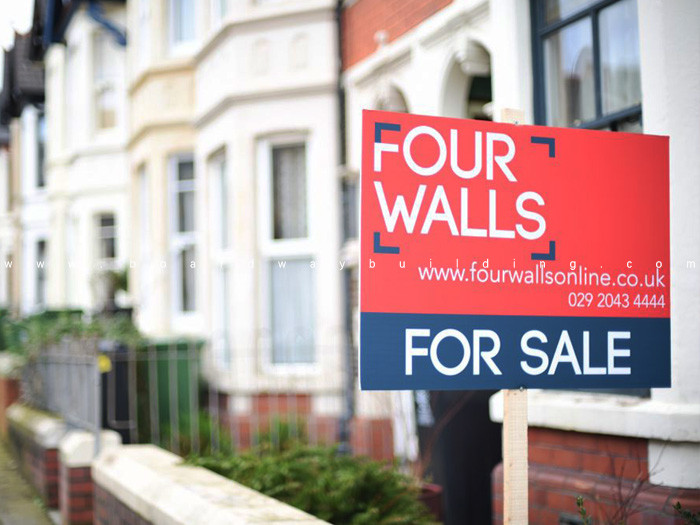
PVC Outdoor Signage

PVC POP Displays
Recommended Specifications for Signage Applications
The appropriate thickness and density of PVC foam board depend on the intended use.
| Application | Recommended Thickness | Typical Density |
| Advertising boards | 3 - 5 mm | 0.45 - 0.55 g/cm3 |
| Exhibition panels | 5 - 8 mm | 0.50 - 0.60 g/cm3 |
| Outdoor signage | 8 - 10 mm | 0.55 - 0.65 g/cm3 |
Thinner boards are usually preferred for printing applications because they are lightweight and easy to mount, while thicker boards provide better structural stability for larger signage panels.
PVC Foam Board Compared with Other Sign Materials
Sign manufacturers often choose between several different materials. PVC foam board stands out because it offers a balanced combination of weight, cost, and printability.
| Material | Weight | Printability | Cost | Durability |
PVC Foam Board | Light | Excellent | Medium | High |
| Acrylic Sheet | Medium | Good | High | High |
| Aluminum Composite Panel | Medium | Good | High | Very High |
| MDF Board | Heavy | Moderate | Low | Low |
Compared with heavier materials such as MDF, PVC foam board is easier to handle and install. Compared with acrylic or aluminum composite panels, it is generally more cost-effective for many signage applications.
Choosing a Reliable PVC Foam Board Manufacturer
When sourcing PVC foam boards for signage production, quality consistency is very important. Manufacturers with stable production processes can ensure uniform density, thickness, and surface quality.
Buyers should look for suppliers that offer:
consistent sheet flatness smooth printing surfaces stable dimensions reliable export packaging
Working with experienced manufacturers also helps ensure that the boards perform well during printing and fabrication.
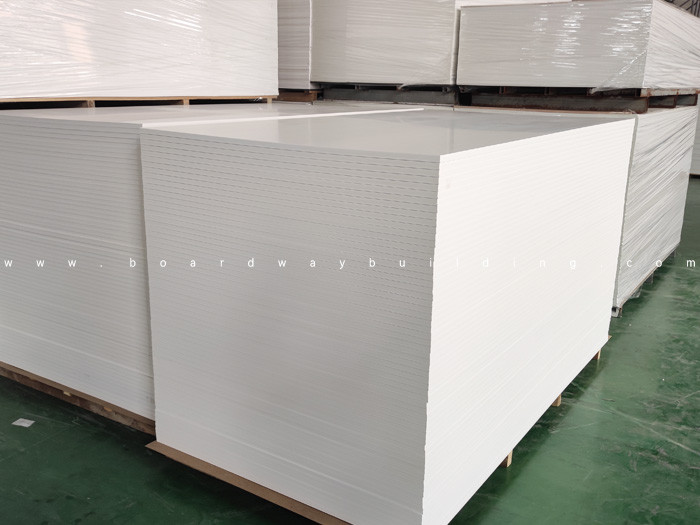
Boardway PVC Foam Board Warehouse
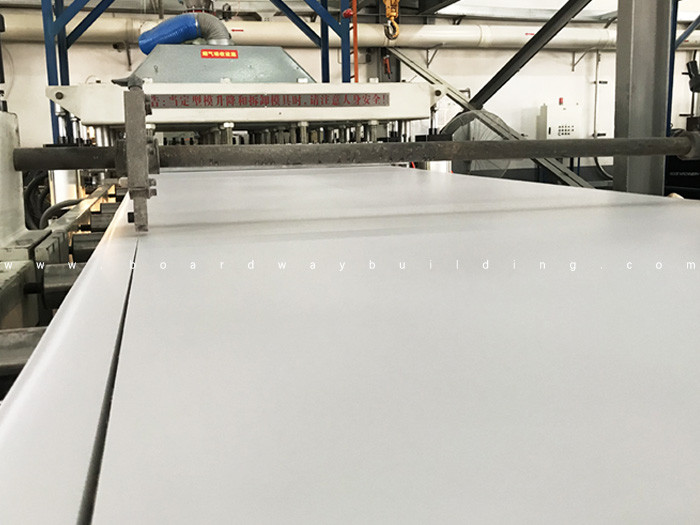
Boardway PVC Foam Board Production Line
Conclusion
PVC foam board has become one of the most popular materials in the signage and display industry. Its lightweight structure, smooth printing surface, and excellent fabrication properties make it an ideal solution for a wide range of advertising applications.
From retail displays and exhibition panels to promotional signage and indoor advertising boards, PVC foam board offers a practical balance of performance and cost.
For businesses involved in sign making and display production, selecting the right PVC foam board supplier is essential to ensure consistent quality and reliable material performance.
Frequently Asked Questions About PVC Foam Board for Signage
1. Is PVC foam board good for signage?
Yes, PVC foam board is widely used for signage because it is lightweight, durable, and easy to print. Its smooth surface allows high-quality graphics and vibrant colors, making it ideal for advertising boards, retail displays, and exhibition panels.
2. What thickness of PVC foam board is best for signs?
The most commonly used thicknesses for signage are 3 mm and 5 mm.
These thinner boards are lightweight and easy to install while still providing enough rigidity for most indoor display applications.
For larger or outdoor signs, 8 mm to 10 mm boards may be preferred for better stability.
3. Can PVC foam board be printed on?
Yes, PVC foam board is highly compatible with several printing methods, including:
UV printing
screen printing
digital printing
vinyl lamination
Because of its smooth and uniform surface, it produces clear and vibrant printed graphics.
4. Is PVC foam board suitable for outdoor signage?
PVC foam board can be used for temporary outdoor signage because it is waterproof and resistant to moisture. However, for long-term outdoor applications with heavy exposure to sunlight and weather, materials such as aluminum composite panels may provide higher durability.
5. Is PVC foam board better than acrylic for signage?
PVC foam board and acrylic serve different purposes.
PVC foam board is lighter, easier to fabricate, and more cost-effective, making it ideal for large advertising panels and indoor displays. Acrylic, on the other hand, offers higher transparency and a premium appearance, which is better suited for illuminated signs and decorative applications.
6. What are the common sizes of PVC foam boards for printing?
Common sheet sizes used in the signage industry include:
1220 × 2440 mm (4 × 8 ft)
1560 × 3050 mm
2050 × 3050 mm
These standard sizes allow efficient cutting and fabrication for various advertising and display applications.
- Want to learn more about PVC foam boards? Visit our PVC Foam Board main page.
- READ MORE